News






When discussing the 50000 DWT inshore container ship with a capacity of 2754 TEU, it is essential to understand its role within the maritime transport sector. This specific type of vessel is designed to operate primarily in coastal and inland waters, making it particularly suited for short-distance shipping routes. The abbreviation "DWT" stands for deadweight tonnage, which indicates the total wei
Source:

Inshore Container Ships: The Future of Sustainable Transportation Solutions
Inshore Container Ships: The Future of Sustainable Transportation Solutions Table of Contents 1. Introduction to Inshore Container Ships 2. The Importance of Sustainable Transportation in the Maritime Industry 3. Key Features of Inshore Container Ships 3.1. Eco-Friendly Design 3.2. Efficient Fuel Consumption 3.3. Enhanced Cargo Capacity 4. The Role of Inshore Container Ships in Red
Source:

Understanding the Dynamics of 77900 DWT International Flights Bulk Carriers
In the realm of maritime transport, the 77900 DWT (Deadweight Tonnage) international flights bulk carrier represents a vital component in the logistics and shipping industry. These vessels are specifically designed to transport bulk cargo, including grains, minerals, and other raw materials, across international waters. Understanding the operational characteristics and market implications of such
Source:

The Critical Role of 80,000 DWT Bulk Carriers in Streamlining International Transport
The Critical Role of 80,000 DWT Bulk Carriers in Streamlining International Transport Table of Contents Introduction to 80,000 DWT Bulk Carriers The Importance of Bulk Carriers in Global Trade Design and Capacity: Features of 80,000 DWT Bulk Carriers Operational Efficiency of 80,000 DWT Bulk Carriers Economic Impact on International Transport Environmental Considerations a
Source:

Exploring the Capabilities of 81,000 DWT International Routes Bulk Carriers
The 81,000 DWT (Deadweight Tonnage) international routes bulk carrier is a significant player in the maritime transportation industry, particularly in the bulk shipping segment. These vessels are specifically designed to transport a wide range of bulk cargoes, such as grains, coal, and minerals, across international waters. Understanding the specifications and operational advantages of these bulk
Source:
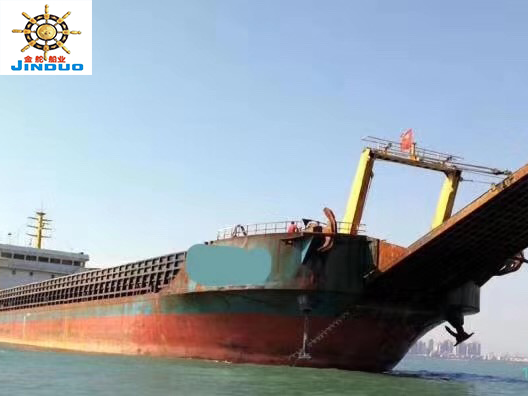
Why Choose an 82000 DWT Bulk Carrier for Your Next Shipping Venture?
Why Choose an 82000 DWT Bulk Carrier for Your Next Shipping Venture? Understanding the Bulk Carrier Market In the dynamic world of shipping, bulk carriers serve as the backbone of global trade, transporting essential commodities such as coal, iron ore, and grains. Understanding the market's intricacies can provide valuable insights into why selecting an 82000 DWT (Deadweight Tonnage) bulk carrier
Source:

Exploring the Benefits and Considerations of Used Commercial Vessels
When it comes to acquiring vessels for commercial operations, purchasing used commercial vessels offers a host of benefits that can be appealing to a variety of shipping businesses. First and foremost, one of the most significant advantages is cost-effectiveness. Used vessels are generally available at a fraction of the price of new builds, which allows companies to allocate their budget more effi
Source:

Exploring the Advantages of an 82000 DWT International Routes Bulk Carrier
When it comes to maritime transportation, bulk carriers are essential for moving large quantities of unpackaged bulk cargo, such as grains, coal, and minerals. An 82000 DWT (Deadweight Tonnage) international routes bulk carrier stands out in this sector due to its capacity and versatility. The DWT measurement indicates the maximum weight a ship can safely carry, including cargo, fuel, and supplies
Source:

The Advantages of 82000 DWT Bulk Carriers in Global Trade
The Advantages of 82000 DWT Bulk Carriers in Global Trade Introduction to 82000 DWT Bulk Carriers In the intricate web of global trade, bulk carriers play a vital role in the transportation of essential goods. **82000 DWT (Deadweight Tonnage) bulk carriers** are particularly significant due to their optimal balance of size and capacity. These vessels are designed to carry large quantities of bulk
Source:

Understanding the 83,500 DWT Inshore Bulk Carrier: A Comprehensive Overview
The 83,500 DWT inshore bulk carrier is a specialized vessel designed for efficient transport of bulk cargoes along coastal and inland waterways. With a deadweight tonnage (DWT) of 83,500, these vessels strike a balance between capacity and maneuverability, making them ideal for inshore operations. Their design typically allows for reduced draft, enabling access to ports and terminals that may not
Source:

How 85,000 DWT Inshore Bulk Carriers Are Meeting Growing Demands
Understanding the Growing Demand for Bulk Carriers The maritime industry is undergoing significant transformation, primarily driven by the rising global demand for raw materials and goods. As economies expand and international trade flourishes, the need for efficient and reliable transportation methods becomes paramount. Among these, **85,000 DWT inshore bulk carriers** have emerged as a vital ass
Source:

Understanding the Role of 87,000 DWT Bulk Carriers in International Shipping
Bulk carriers are essential vessels in the realm of maritime transport, particularly those with a deadweight tonnage (DWT) of 87,000. These ships are designed to efficiently transport bulk commodities across international routes, playing a vital role in global trade. Understanding the intricacies of 87,000 DWT bulk carriers can provide valuable insights into their operational efficiencies and the
Source:
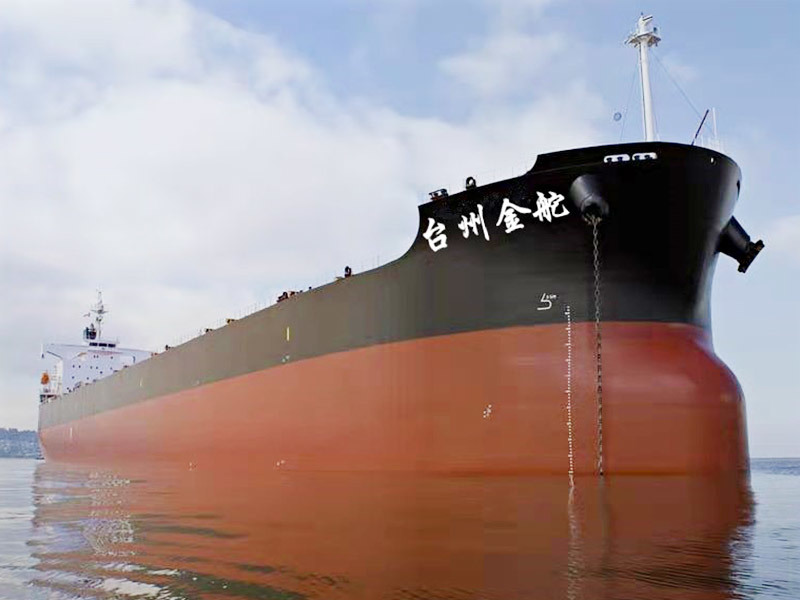
Unlocking Efficiency: The Strategic Importance of 93,000 DWT Bulk Carriers in Contemporary Maritime Shipping Table of Contents 1. Introduction to Bulk Carriers 2. What is a 93,000 DWT Bulk Carrier? 3. Operational Efficiencies of 93,000 DWT Bulk Carriers 3.1 Cargo Capacity and Utilization 3.2 Fuel Efficiency and Cost Savings 4. Design Innov
Source:

Understanding the 50000 DWT Inshore Container Ship: A Comprehensive Overview of the 2754TEU Capacity
The 50000 DWT inshore container ship, particularly those with a capacity of 2754TEU, represents a significant advancement in maritime transportation, specifically tailored for inshore operations. These vessels are designed to facilitate efficient cargo movement between ports that are often not accessible to larger ocean-going vessels, playing a crucial role in regional trade and logistics. Firstly
Source:
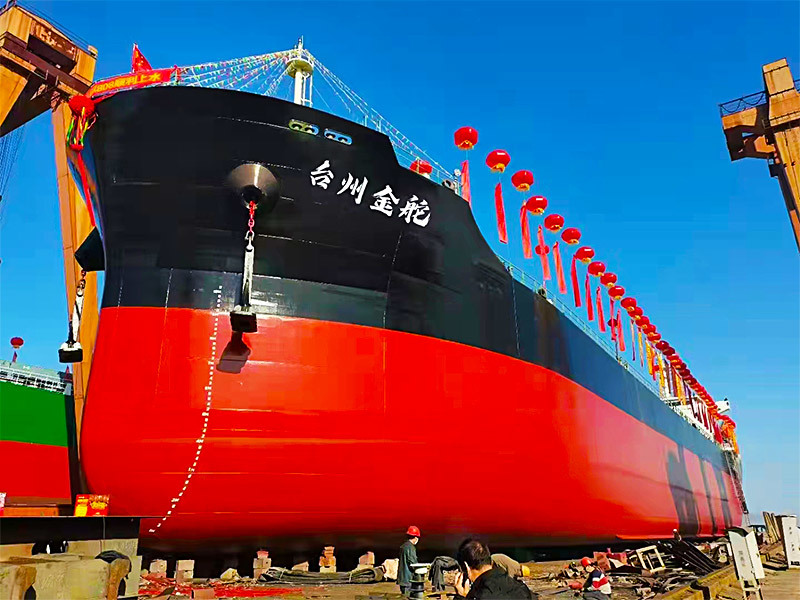
Key Features That Make Self Unloading Bulk Carriers a Game Changer
Key Features That Make Self Unloading Bulk Carriers a Game Changer Introduction to Self Unloading Bulk Carriers Self unloading bulk carriers (SUBCs) have revolutionized the maritime transportation industry by introducing innovative features that enhance operational efficiency and reduce costs. These vessels are specially designed to carry bulk materials and equipped with mechanisms that allow for
Source:

How 2754TEU Capacity Enhances the Versatility of Inshore Container Ships
How 2754TEU Capacity Enhances the Versatility of Inshore Container Ships The maritime industry continuously evolves to meet growing demands for efficiency and flexibility in cargo transportation. Among the recent advancements, the inshore container ship with a **2754TEU capacity** stands out. This article delves into how this capacity significantly enhances the versatility of inshore container shi
Source:

Understanding the Role of 77900 DWT International Flights Bulk Carriers in Maritime Transportation
--- In the maritime transportation industry, the 77900 DWT International flights bulk carrier represents a vital component in the movement of large quantities of goods across the globe. With a deadweight tonnage (DWT) of 77900, these carriers are specifically designed to transport bulk commodities such as grains, coal, iron ore, and other raw materials, ensuring efficiency and reliability in shipp
Source:

Understanding the Crucial Role of 80000 DWT Bulk Carriers in Global Shipping Solutions
Understanding the Crucial Role of 80000 DWT Bulk Carriers in Global Shipping Solutions Table of Contents Introduction to Bulk Carriers and Their Importance What is an 80000 DWT Bulk Carrier? The Role of Bulk Carriers in Global Trade Economic Benefits of 80000 DWT Bulk Carriers Environmental Impact and Sustainability of Bulk Shipping Technological Advancements in 80000 DWT
Source:

Exploring the Capabilities of an 81000 DWT International Routes Bulk Carrier
When considering a vessel for international routes, the 81000 DWT (Deadweight Tonnage) bulk carrier stands out due to its impressive capacity and versatility. These vessels are designed to carry a wide range of bulk commodities, including grains, coal, iron ore, and fertilizers, making them a backbone of international trade. One of the key advantages of an 81000 DWT bulk carrier is its size. The v
Source:

Understanding the Efficiency of 82000 DWT Bulk Carriers in Maritime Transport
Understanding the Efficiency of 82000 DWT Bulk Carriers in Maritime Transport Table of Contents 1. Introduction to 82000 DWT Bulk Carriers 2. What is DWT and Why It Matters? 3. Design Efficiency of 82000 DWT Bulk Carriers 4. Operational Capabilities in Maritime Transport 5. Fuel Efficiency and Environmental Impact 6. Economic Advantages of Using 82000 DWT Bulk Carriers
Source:

The Versatility and Efficiency of 82,000 DWT International Routes Bulk Carriers
In the shipping industry, the capacity and efficiency of vessels play a crucial role in meeting the growing demands of international trade. The 82,000 DWT (Deadweight Tonnage) bulk carrier is a noteworthy vessel type designed for the transportation of various bulk commodities across international routes. These ships are particularly recognized for their ability to carry substantial quantities of c
Source:

Why Choose an Unlimited Area Bulk Carrier for Your Shipping Needs?
Introduction to Unlimited Area Bulk Carriers In the world of maritime transport, the efficiency of bulk carriers plays a critical role in the logistics of shipping goods. Unlimited Area Bulk Carriers (UABCs) are a specialized category of vessels designed to transport large volumes of unpackaged bulk cargo. These ships not only enhance the capacity for transporting goods but also ensure reduced ope
Source:

Understanding the Essentials of 5000 DWT Bulk Carriers: A Comprehensive Guide
--- A 5000 DWT (Deadweight Tonnage) bulk carrier is a specialized vessel designed to transport bulk commodities such as grain, coal, ores, and other raw materials. With a carrying capacity of 5000 metric tons, these ships play a vital role in the maritime transport sector, facilitating the efficient movement of goods across the globe. One of the key aspects of a 5000 DWT bulk carrier is its design
Source:

Understanding the Advantages of 83,500 DWT Inshore Bulk Carriers in Modern Shipping
In the realm of maritime transport, the 83,500 DWT (Deadweight Tonnage) inshore bulk carrier represents a pivotal shift towards more efficient, versatile, and environmentally friendly shipping solutions. These vessels are designed to cater to a variety of cargoes, including bulk commodities such as coal, grain, and minerals. Their operational capabilities allow them to navigate both deep waters an
Source:
The Key Players in the 85000 DWT Inshore Bulk Carrier Industry The maritime transport sector is critical for global trade, and within this vast industry, the 85000 DWT (Dead Weight Tonnage) inshore bulk carriers play a significant role. These vessels are designed for the efficient transportation of bulk goods in coastal and inland waters, making them indispensable for shipping companies and indust
Source:
Understanding the 87000 DWT International Routes Bulk Carrier: Key Insights
The 87000 DWT (Deadweight Tonnage) International Routes Bulk Carrier is a significant player in the global maritime shipping industry, particularly known for its efficiency in transporting bulk commodities across various international routes. These vessels are designed for optimal performance, balancing size and capacity to maximize cargo loads while ensuring compliance with international shipping
Source:

Exploring the Significance of 50000 DWT Inshore Container Ships: The 2754TEU Model
In the world of maritime transportation, the term "50000 DWT inshore container ship" refers to a vessel with a deadweight tonnage (DWT) of approximately 50,000 tons, designed primarily for coastal operations. These ships play a crucial role in the global supply chain, especially in regions where larger ocean-going vessels may face restrictions due to port depth or size limitations. The 2754TEU des
Source:

Exploring the Advantages of 50500 DWT Inshore Container Ships for Efficient Shipping
Exploring the Advantages of 50500 DWT Inshore Container Ships for Efficient Shipping Table of Contents 1. Introduction to 50500 DWT Inshore Container Ships 2. The Design and Specifications of 50500 DWT Ships 2.1 Dimensions and Capacity 2.2 Construction Materials and Technologies 3. Advantages of 50500 DWT Inshore Container Ships 3.1 Enhanced Port Accessibility 3.2 Fuel Efficiency and Cost Savings
Source:
In the world of maritime transportation, the 77900 DWT (Deadweight Tonnage) International flights bulk carrier represents a substantial segment of the bulk carrier fleet. This specialized vessel is designed to transport a variety of bulk commodities, including grains, coal, and minerals, across international waters. Understanding the features and operational capabilities of a 77900 DWT bulk carrie
Source:

Exploring the Benefits of a User-Friendly Ship Trading Platform
Exploring the Benefits of a User-Friendly Ship Trading Platform Shipping and maritime commerce continue to grow in complexity and volume, necessitating advanced solutions that cater to the needs of diverse stakeholders. A user-friendly ship trading platform can significantly enhance operational efficiency, streamline communication, and improve decision-making. This article delves into the numerous
Source:

Exploring the Advantages of 80000 DWT Bulk Carriers on International Routes
Exploring the Advantages of 80000 DWT Bulk Carriers on International Routes Introduction to 80000 DWT Bulk Carriers In the ever-evolving maritime logistics landscape, the choice of vessel plays a crucial role in determining operational efficiency, cost-effectiveness, and environmental sustainability. Among the various types of bulk carriers, the **80000 DWT (Deadweight Tonnage) bulk carrier**
Source:
Understanding the 81000 DWT International Routes Bulk Carrier: Key Insights for Professionals
The 81000 DWT International Routes bulk carrier plays a pivotal role in the global shipping industry, particularly in the transportation of bulk commodities such as grains, coal, and iron ore. Understanding the operational parameters, advantages, and challenges of these vessels can greatly enhance decision-making for professionals in the maritime and logistics sectors. Firstly, the term "DWT" refe
Source:

Exploring the Advantages of an 82000 DWT Bulk Carrier for Unlimited Sailing Areas
Exploring the Advantages of an 82000 DWT Bulk Carrier for Unlimited Sailing Areas Introduction to Bulk Carriers Bulk carriers are specialized vessels designed for the transportation of unpackaged bulk cargo, such as coal, grain, and minerals. Among these, the 82000 DWT (deadweight tonnage) bulk carrier stands out for its remarkable capacity and versatility. This article will delve into the various
Source:
Exploring the Capabilities of 82000 DWT International Routes Bulk Carriers
The 82000 DWT (Deadweight Tonnage) international routes bulk carrier is a notable asset in the maritime transportation sector, particularly for its ability to efficiently transport large volumes of dry bulk commodities across various global shipping routes. The design and technological advancements associated with these vessels have made them a preferred choice for many shipping companies seeking
Source:

Exploring the Capabilities of an 82000 DWT Unlimited Area Bulk Carrier
Exploring the Capabilities of an 82000 DWT Unlimited Area Bulk Carrier Table of Contents Introduction to Bulk Carriers and Their Importance Understanding Deadweight Tonnage (DWT) in Bulk Carriers Design Specifications of an 82000 DWT Bulk Carrier Hull Design: Efficiency Meets Strength Cargo Hold: Maximizing Capacity Operational Capabilitie
Source:

Understanding the 83,500 DWT Inshore Bulk Carrier: Key Features and Benefits
The 83,500 DWT (Deadweight Tonnage) inshore bulk carrier is designed specifically for the transportation of bulk materials over shorter distances, primarily along coastlines and in inland waterways. These vessels strike a balance between capacity and maneuverability, making them ideal for ports that may not accommodate larger ocean-going ships. One of the primary advantages of the 83,500 DWT insho
Source:

85000 DWT Inshore Bulk Carriers: A Comprehensive Overview
85000 DWT Inshore Bulk Carriers: A Comprehensive Overview Table of Contents Introduction to 85000 DWT Inshore Bulk Carriers Design and Specifications Operational Efficiency of Inshore Bulk Carriers Economic Impact of 85000 DWT Bulk Carriers Technological Innovations in Inshore Bulk Carriers Environmental Considerations in Maritime Transport Future Tre
Source:

Floating Production Storage and Offloading (FPSO) systems are advanced maritime vessels designed to facilitate the extraction and processing of hydrocarbons from offshore reserves. These floating platforms play a vital role in the oil and gas industry, offering a versatile solution for production, storage, and offloading operations. The concept of FPSOs originated in the 1970s as a response to the
Source:

Exploring the Advantages of 87,000 DWT International Routes Bulk Carriers
The 87,000 DWT (Deadweight Tonnage) international routes bulk carrier is a significant asset in the shipping industry, particularly for transporting bulk commodities such as coal, grain, and minerals. The design and operational capabilities of these vessels make them suitable for navigating international waters while accommodating substantial cargo loads. One of the primary advantages of using 87,
Source:
Exploring the Advantages of a 93000 DWT Bulk Carrier for Unlimited Sailing Areas
Exploring the Advantages of a 93000 DWT Bulk Carrier for Unlimited Sailing Areas Table of Contents Introduction to 93000 DWT Bulk Carriers Design Innovations in Bulk Carriers Economic Advantages of 93000 DWT Bulk Carriers Environmental Impact and Sustainability Operational Flexibility and Efficiency Navigational Capabilities in Unlimited Sailing Areas Future Trends in
Source:
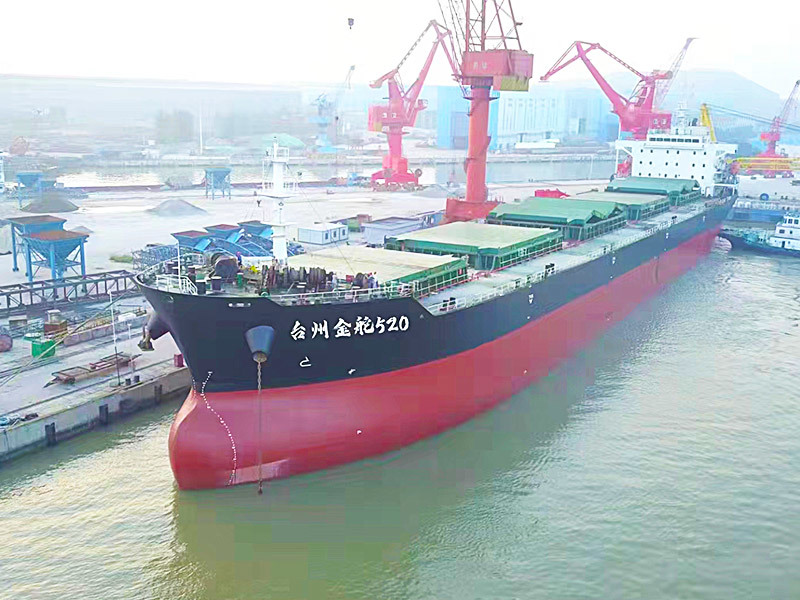
The Role of Technology in Modern Ship Refitting Services: Transforming the Maritime Industry
The Role of Technology in Modern Ship Refitting Services In the fast-evolving maritime industry, **technology plays a pivotal role** in enhancing ship refitting services. As shipping demands continue to grow and vessels age, the need for efficient, cost-effective, and environmentally friendly refitting solutions is more crucial than ever. By integrating advanced technologies into refitting process
Source:
Understanding the Benefits and Considerations of Second Hand Cargo Ships
When it comes to the maritime industry, the demand for cargo ships is ever-present, but the decision to purchase a second hand cargo ship can be a complex one. Understanding the benefits and considerations of acquiring such vessels is crucial for professionals involved in transportation, shipping, and maritime operations. One of the primary advantages of opting for a second hand cargo ship is cost
Source:
The Transformative Benefits of Floating Storage Offloading in Transportation
The Transformative Benefits of Floating Storage Offloading in Transportation Table of Contents 1. Introduction to Floating Storage Offloading 2. What is Floating Storage Offloading? 3. Advantages of Implementing Floating Storage Offloading 3.1 Cost Efficiency in Operations 3.2 Logistical Flexibility and Scalability 3.3 Positive Environmental Impact 3.4 Enh
Source:
Essential Insights on Ship Refit and Conversion for Industry Professionals
In the maritime transportation industry, ship refit and conversion have become essential processes for ensuring that vessels remain competitive, efficient, and compliant with the latest regulations. This practice not only extends the lifespan of existing ships but also enhances their operational capabilities. Understanding the key aspects of ship refit and conversion is crucial for industry profes
Source:
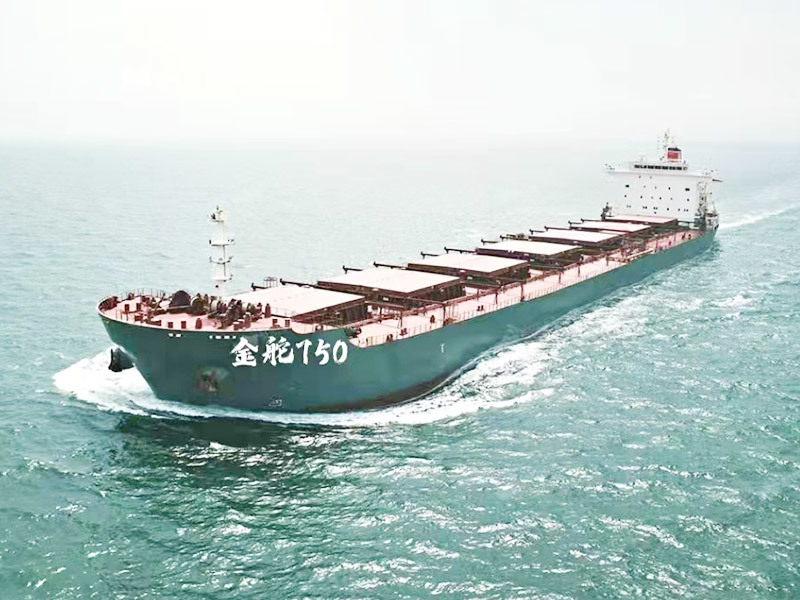
How to Ensure Compliance for LPG Tanker Ships: A Comprehensive Guide
How to Ensure Compliance for LPG Tanker Ships Transporting Liquefied Petroleum Gas (LPG) via tanker ships is a vital part of global trade. However, this industry is heavily regulated, and ensuring compliance is paramount for safety, environmental protection, and operational efficiency. This comprehensive guide outlines the steps maritime operators can take to guarantee compliance with the complex
Source:
Exploring the Advantages of Used Commercial Vessels in the Shipping Industry
When considering a used commercial vessel, there are several key factors that can greatly influence your choice and operational strategy. Firstly, one of the most compelling reasons to opt for a used vessel is the cost-effectiveness associated with it. New vessels can come with hefty price tags, whereas pre-owned options allow businesses to allocate their budgets more efficiently. This financial f
Source:
The Future of Maritime Transportation: Self Unloading Bulk Carriers Explained
The Future of Maritime Transportation: Self Unloading Bulk Carriers Explained Table of Contents 1. Introduction to Maritime Transportation 2. What Are Self Unloading Bulk Carriers? 3. Historical Evolution of Bulk Carriers 4. Mechanisms of Self Unloading Technology 5. Benefits of Self Unloading Bulk Carriers 6. Environmental Impact of Self Unloading Bulk Carriers 7. Fut
Source:
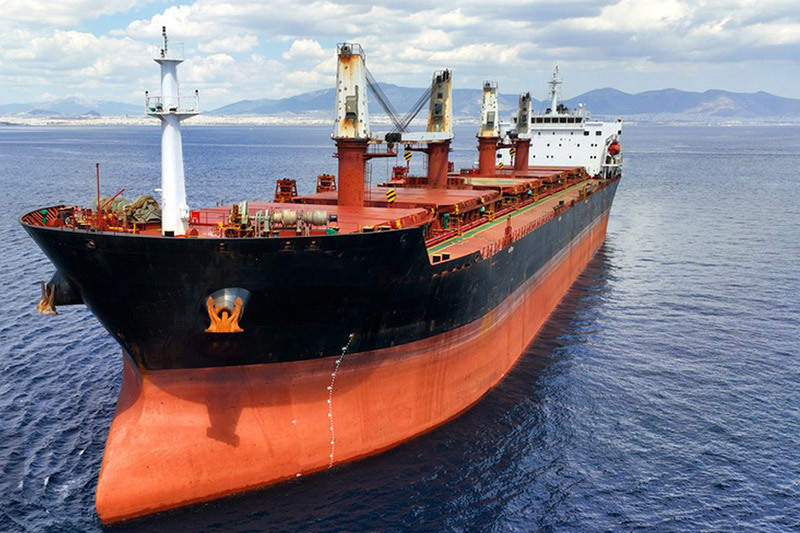
Understanding the 5000 DWT Bulk Carrier: Key Features and Operational Insights
The 5000 DWT (Deadweight Tonnage) bulk carrier is designed to efficiently transport a wide range of bulk cargoes, including grains, coal, minerals, and other solid commodities. Such vessels play a pivotal role in global trade, as they are capable of navigating both coastal and deep-water routes with ease. Their moderate size allows for flexibility in port access and reduced operational costs, maki
Source:

Evaluating the Best Practices for Using a Ship Trading Platform
Evaluating the Best Practices for Using a Ship Trading Platform Table of Contents 1. Introduction to Ship Trading Platforms 2. Understanding Ship Trading and Its Importance 3. Key Features of Effective Ship Trading Platforms 4. Best Practices for Successful Ship Trading 4.1 Conducting Thorough Market Research 4.2 Leveraging Data Analytics
Source:
Floating Production Storage and Offloading (FPSO) units are essential components in the offshore oil and gas production sector. As maritime professionals, understanding the operational principles and technological advancements associated with FPSOs is crucial in navigating the complexities of the transportation and marine equipment industry. FPSOs are floating vessels that are equipped with facili
Source:

TAIZHOU JINDUO SHIP BUILDING CO.,LTD
Add:
Juding International Building, Yijia Road, Jiaojiang District,Taizhou City, Zhejiang Province
Tel:
E-mail:
Whatsapp:
Wechat:
+86 15726978366


SAF Coolest v1.3.1.2 设置面板 OWSSD-ZYOB-ASSXE-ZWZ
无数据提示
Sorry, the current column is being updated, so stay tuned!
You can check out the other columns or go back HOME
V1.3.1 SVG图标库请自行添加图标,用div包起来,并命名使用
Privacy
The Software respects and protects the personal privacy of all users of the Services. In order to provide you with a more accurate and personalized service, the Software will use and disclose your personal information in accordance with this Privacy Policy. However, the Software will treat such information with a high degree of diligence and duty of care. Except as otherwise provided in this Privacy Policy, the Software will not disclose or provide this information to third parties without your prior permission. The Software may update this Privacy Policy from time to time. You will be deemed to have agreed to this Privacy Policy in its entirety when you agree to the Software Service Use Agreement. This Privacy Policy is an integral part of this Software Service Use Agreement. 1. Scope of ApplicationIn your use of the Software's network services, the Software automatically receives and records information on your cell phone, including, but not limited to, your health data, the language used, the date and time of access, information on hardware and software characteristics, and data on webpage records of your needs; 2. Use of InformationAfter obtaining your data, the Software uploads it to the server to generate your leaderboard data so that you can better use the Services. The Software will upload your data to the server to generate your ranking data so that you can use the service in a better way. 3. Information Disclosure 3.1 The Software will not disclose your information to untrusted third parties. 3.2 In accordance with the relevant provisions of the law, or the requirements of administrative or judicial bodies, disclosure to third parties or administrative or judicial bodies; 3.3 If you appear to violate the relevant Chinese laws, regulations or relevant rules, it is necessary to disclose it to a third party; 4. Information Storage and Exchange The information and materials collected by the Software about you will be stored on the servers of the Software and/or its affiliates. The information and data may be transferred to and accessed, stored and displayed outside of your country or region or the country in which the Software collects the information and data. 5. Information Security When using the Software's network services to conduct online transactions, you will inevitably disclose your personal information, such as contact information or postal address, to the counterparty or potential counterparty. Please protect your personal information and provide it to others only when necessary. If you find that your personal information has been compromised, please contact the software's customer service immediately so that the software can take appropriate measures.