





news
The Future of Maritime Transportation: Self Unloading Bulk Carriers Explained
The Future of Maritime Transportation: Self Unloading Bulk Carriers Explained
Table of Contents
- 1. Introduction to Maritime Transportation
- 2. What Are Self Unloading Bulk Carriers?
- 3. Historical Evolution of Bulk Carriers
- 4. Mechanisms of Self Unloading Technology
- 5. Benefits of Self Unloading Bulk Carriers
- 6. Environmental Impact of Self Unloading Bulk Carriers
- 7. Future Trends in Maritime Transportation
- 8. Challenges and Solutions in Implementing Self Unloading Technology
- 9. Conclusion
- 10. Frequently Asked Questions
1. Introduction to Maritime Transportation
Maritime transportation is a cornerstone of global trade, facilitating the movement of goods across oceans and waterways. As the demand for efficient and sustainable shipping practices grows, the industry is continuously evolving. Among the innovations leading this transformation are **self unloading bulk carriers**. These specialized vessels are engineered to enhance operational efficiency, reduce labor costs, and minimize environmental impact while ensuring the safe and timely delivery of bulk cargo.
2. What Are Self Unloading Bulk Carriers?
Self unloading bulk carriers are a revolutionary class of ships designed to unload cargo without the need for shore-based equipment. Utilizing advanced technology, these vessels can discharge their cargo through a series of hoppers and conveyors, significantly streamlining the unloading process. Typically employed for transporting bulk commodities such as coal, grain, and aggregates, self unloading bulk carriers are distinguished by their ability to operate efficiently in ports with limited infrastructure.
3. Historical Evolution of Bulk Carriers
The journey of bulk carriers began in the early 20th century, transitioning from traditional cargo ships to more specialized vessels capable of carrying large volumes of bulk materials. The introduction of self unloading technology marked a significant milestone in maritime history. Initially, self unloading systems were rudimentary, relying heavily on mechanical equipment. However, advancements in engineering and automation have led to the development of sophisticated systems that optimize cargo handling and unloading efficiency.
The Development of Self Unloading Mechanisms
Over the decades, various designs and technologies have emerged, including the **Gottwald self-unloading system** and the **SULZER system**, which are pivotal in modern self unloading bulk carriers. These systems have been instrumental in enhancing the effectiveness of bulk handling processes and reducing operational downtime.
4. Mechanisms of Self Unloading Technology
Understanding the mechanisms behind self unloading bulk carriers provides insight into their operational capabilities. The primary components of a self unloading system include:
4.1 Cargo Hold Design
The cargo holds in self unloading bulk carriers are specifically designed with sloped floors that facilitate gravity-assisted unloading. This innovative design allows the cargo to flow smoothly towards the unloading system.
4.2 Conveyor Systems
Self unloading bulk carriers are equipped with conveyor belts that transport the cargo from the holds to the discharge point. These conveyors are engineered to handle various types of bulk materials efficiently and are often adjustable to accommodate different cargo types.
4.3 Hoppers and Discharge Chutes
Hoppers and discharge chutes play a critical role in directing the flow of cargo to the appropriate location. These components are designed to minimize spillage and ensure a clean unloading process, contributing to the overall efficiency of the operation.
5. Benefits of Self Unloading Bulk Carriers
The adoption of self unloading bulk carriers brings numerous advantages to the maritime industry:
5.1 Enhanced Operational Efficiency
Self unloading technology significantly reduces the time and labor required for unloading cargo, resulting in shorter port stays and increased turnaround times. This efficiency translates into cost savings and improved shipping schedules.
5.2 Reduced Labor Costs
By minimizing the need for manual labor during the unloading process, shipping companies can significantly reduce labor costs and allocate resources more effectively.
5.3 Increased Safety
Self unloading bulk carriers enhance safety by minimizing human interaction during the unloading process. Automated systems reduce the risk of accidents associated with manual cargo handling.
5.4 Versatility in Cargo Handling
These vessels are capable of transporting a wide variety of bulk materials, making them suitable for diverse industries, from agriculture to construction.
6. Environmental Impact of Self Unloading Bulk Carriers
As the maritime industry faces increasing scrutiny regarding its environmental impact, self unloading bulk carriers are paving the way for more sustainable practices.
6.1 Fuel Efficiency
Modern self unloading bulk carriers are designed with fuel-efficient engines and optimized hull designs, reducing fuel consumption and greenhouse gas emissions.
6.2 Waste Management
The enclosed unloading systems used in self unloading bulk carriers help minimize cargo spillage, thus reducing environmental contamination in port areas.
6.3 Compliance with Regulations
With stricter environmental regulations emerging worldwide, self unloading bulk carriers are typically built to meet or exceed these standards, allowing shipping companies to maintain compliance while enhancing their operational capabilities.
7. Future Trends in Maritime Transportation
The maritime industry is on the brink of significant transformation, driven by technological advancements and the need for sustainability.
7.1 Automation and Digitalization
The shift towards automation is evident in the increasing use of robotics and AI in cargo handling and monitoring systems. This shift is expected to enhance operational efficiency and reduce human error.
7.2 Sustainability Initiatives
As the industry moves towards greener practices, self unloading bulk carriers will likely incorporate alternative fuel sources and technologies aimed at reducing their carbon footprint.
7.3 Integration of IoT Technology
The Internet of Things (IoT) will play a crucial role in future maritime operations, allowing for real-time monitoring of vessel performance, cargo conditions, and maintenance needs.
8. Challenges and Solutions in Implementing Self Unloading Technology
While self unloading bulk carriers present numerous benefits, they also face challenges that need addressing.
8.1 Initial Investment Costs
The upfront costs associated with acquiring and retrofitting vessels with self unloading technology can be substantial. However, long-term savings from operational efficiency often offset these expenses.
8.2 Training and Skill Development
As technology advances, there is a growing need for skilled personnel to operate and maintain self unloading systems. Investing in training programs will be essential to ensure a competent workforce.
8.3 Infrastructure Limitations
Not all ports are equipped to accommodate self unloading bulk carriers. Collaborating with port authorities to upgrade infrastructure will be necessary for maximizing the benefits of these vessels.
9. Conclusion
The **future of maritime transportation** is bright, particularly with the emergence of self unloading bulk carriers. As these vessels continue to evolve and integrate advanced technologies, they promise to revolutionize the industry. By enhancing operational efficiency, reducing labor costs, and promoting environmental sustainability, self unloading bulk carriers are positioning themselves as integral players in the maritime logistics landscape. Embracing these innovations will be crucial for shipping companies aiming to thrive in a competitive market.
10. Frequently Asked Questions
Q1: What is a self unloading bulk carrier?
A self unloading bulk carrier is a specialized ship designed to discharge its cargo using onboard equipment rather than relying on dockside facilities.
Q2: How do self unloading systems work?
These systems utilize hoppers, conveyors, and discharge chutes to transport bulk cargo from the ship's holds to the discharge point, minimizing the need for manual labor.
Q3: What types of cargo can self unloading bulk carriers transport?
Self unloading bulk carriers are versatile and can transport various bulk materials, including coal, grain, aggregates, and more.
Q4: What are the environmental benefits of self unloading bulk carriers?
Self unloading bulk carriers are designed for fuel efficiency, reduced emissions, and better waste management, contributing to more sustainable shipping practices.
Q5: What challenges do self unloading bulk carriers face?
Challenges include high initial investment costs, the need for skilled operators, and infrastructure limitations at some ports. However, solutions exist to address these issues, paving the way for future growth.
Other news
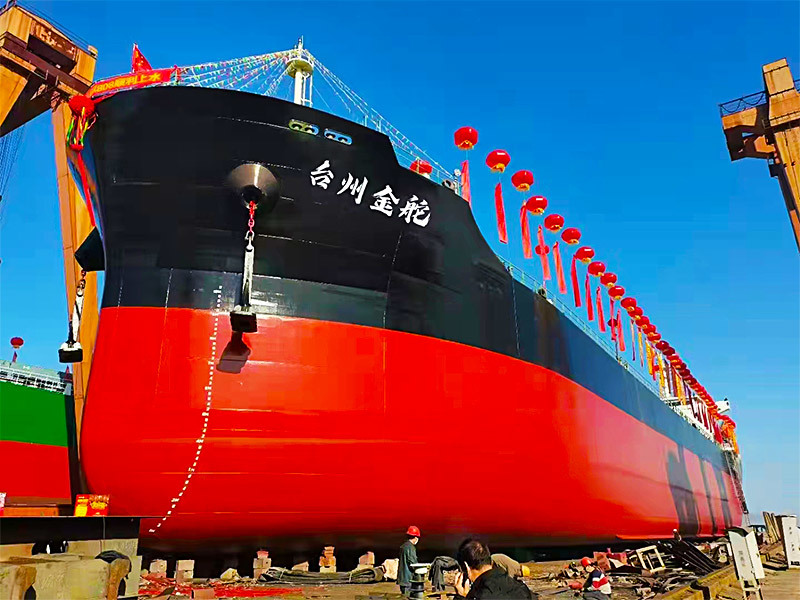
Exploring the Advantages of a 93000 DWT Bulk Carrier for Unlimited Sailing Areas
Exploring the Advantages of a 93000 DWT Bulk Carrier for Unlimited Sailing Areas Table of Contents Introduction to 93000 DWT Bulk Carriers Design Innovations in Bulk Carriers Economic Advantages of 93000 DWT Bulk Carriers Environmental Impact and Sustainability Operational Flexibility and Efficiency Navigational Capabilities in Unlimited Sailing Areas Future Trends in
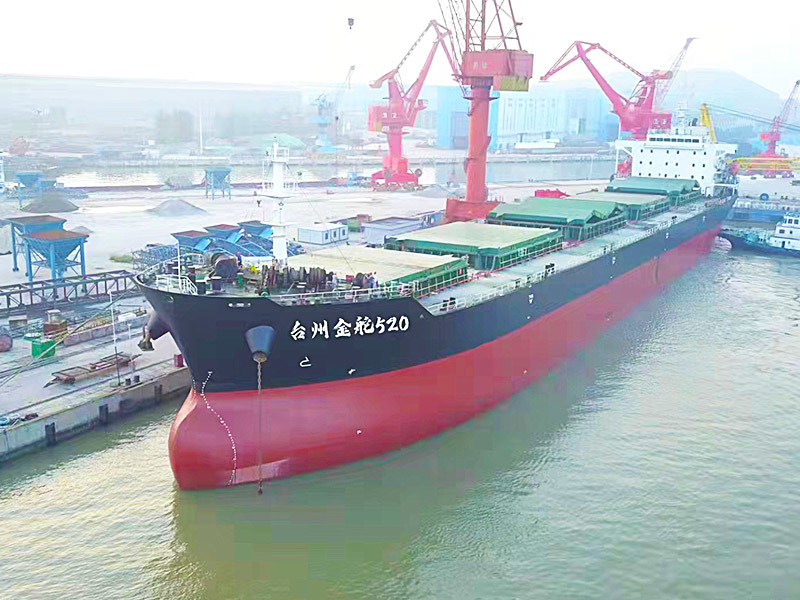
The Role of Technology in Modern Ship Refitting Services: Transforming the Maritime Industry
The Role of Technology in Modern Ship Refitting Services In the fast-evolving maritime industry, **technology plays a pivotal role** in enhancing ship refitting services. As shipping demands continue to grow and vessels age, the need for efficient, cost-effective, and environmentally friendly refitting solutions is more crucial than ever. By integrating advanced technologies into refitting process
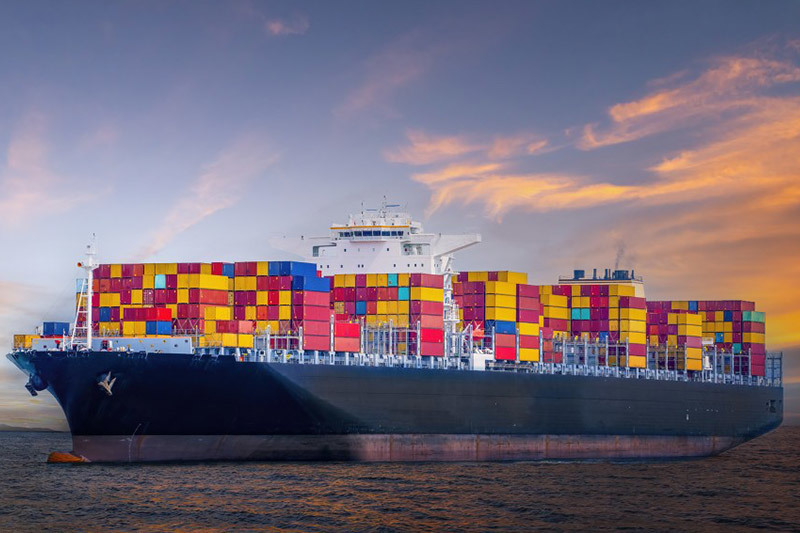
Understanding the Benefits and Considerations of Second Hand Cargo Ships
When it comes to the maritime industry, the demand for cargo ships is ever-present, but the decision to purchase a second hand cargo ship can be a complex one. Understanding the benefits and considerations of acquiring such vessels is crucial for professionals involved in transportation, shipping, and maritime operations. One of the primary advantages of opting for a second hand cargo ship is cost

TAIZHOU JINDUO SHIP BUILDING CO.,LTD
Add:
Juding International Building, Yijia Road, Jiaojiang District,Taizhou City, Zhejiang Province
Tel:
E-mail:
Whatsapp:
Wechat:
+86 15726978366


SAF Coolest v1.3.1.2 设置面板 OWSSD-ZYOB-ASSXE-ZWZ
无数据提示
Sorry, the current column is being updated, so stay tuned!
You can check out the other columns or go back HOME
V1.3.1 SVG图标库请自行添加图标,用div包起来,并命名使用
Privacy
The Software respects and protects the personal privacy of all users of the Services. In order to provide you with a more accurate and personalized service, the Software will use and disclose your personal information in accordance with this Privacy Policy. However, the Software will treat such information with a high degree of diligence and duty of care. Except as otherwise provided in this Privacy Policy, the Software will not disclose or provide this information to third parties without your prior permission. The Software may update this Privacy Policy from time to time. You will be deemed to have agreed to this Privacy Policy in its entirety when you agree to the Software Service Use Agreement. This Privacy Policy is an integral part of this Software Service Use Agreement. 1. Scope of ApplicationIn your use of the Software's network services, the Software automatically receives and records information on your cell phone, including, but not limited to, your health data, the language used, the date and time of access, information on hardware and software characteristics, and data on webpage records of your needs; 2. Use of InformationAfter obtaining your data, the Software uploads it to the server to generate your leaderboard data so that you can better use the Services. The Software will upload your data to the server to generate your ranking data so that you can use the service in a better way. 3. Information Disclosure 3.1 The Software will not disclose your information to untrusted third parties. 3.2 In accordance with the relevant provisions of the law, or the requirements of administrative or judicial bodies, disclosure to third parties or administrative or judicial bodies; 3.3 If you appear to violate the relevant Chinese laws, regulations or relevant rules, it is necessary to disclose it to a third party; 4. Information Storage and Exchange The information and materials collected by the Software about you will be stored on the servers of the Software and/or its affiliates. The information and data may be transferred to and accessed, stored and displayed outside of your country or region or the country in which the Software collects the information and data. 5. Information Security When using the Software's network services to conduct online transactions, you will inevitably disclose your personal information, such as contact information or postal address, to the counterparty or potential counterparty. Please protect your personal information and provide it to others only when necessary. If you find that your personal information has been compromised, please contact the software's customer service immediately so that the software can take appropriate measures.