





news
Understanding the Crucial Role of 80000 DWT Bulk Carriers in Global Shipping Solutions
Understanding the Crucial Role of 80000 DWT Bulk Carriers in Global Shipping Solutions
Table of Contents
- Introduction to Bulk Carriers and Their Importance
- What is an 80000 DWT Bulk Carrier?
- The Role of Bulk Carriers in Global Trade
- Economic Benefits of 80000 DWT Bulk Carriers
- Environmental Impact and Sustainability of Bulk Shipping
- Technological Advancements in 80000 DWT Bulk Carriers
- Future Trends in Bulk Shipping Industry
- Conclusion
- Frequently Asked Questions (FAQs)
Introduction to Bulk Carriers and Their Importance
In an era where global trade is more interconnected than ever, the demand for efficient shipping solutions is at an all-time high. Bulk carriers, particularly those with a deadweight tonnage (DWT) of 80000, play a pivotal role in this intricate web of international commerce. These ships are designed to transport large quantities of bulk commodities, such as grains, minerals, and fuels, making them indispensable in meeting global supply chain demands. In this article, we will delve into the significance of 80000 DWT bulk carriers and why they are essential for modern shipping solutions.
What is an 80000 DWT Bulk Carrier?
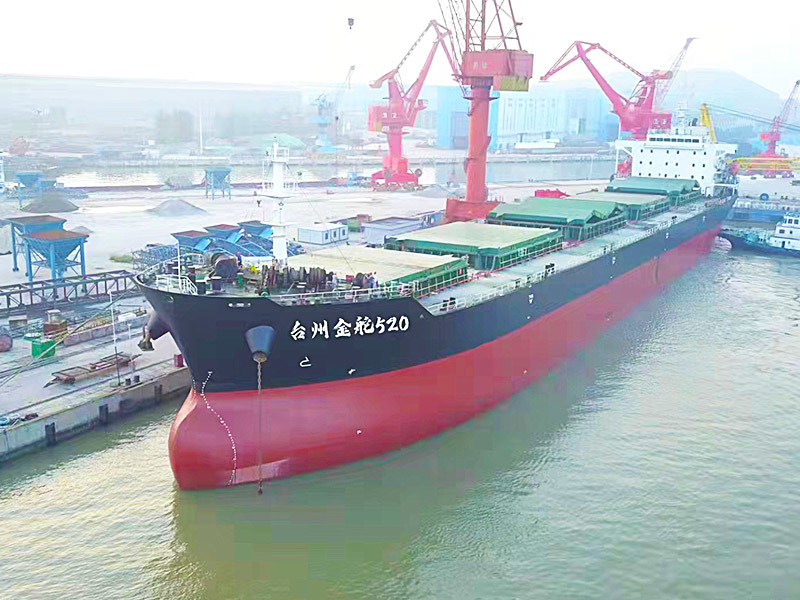
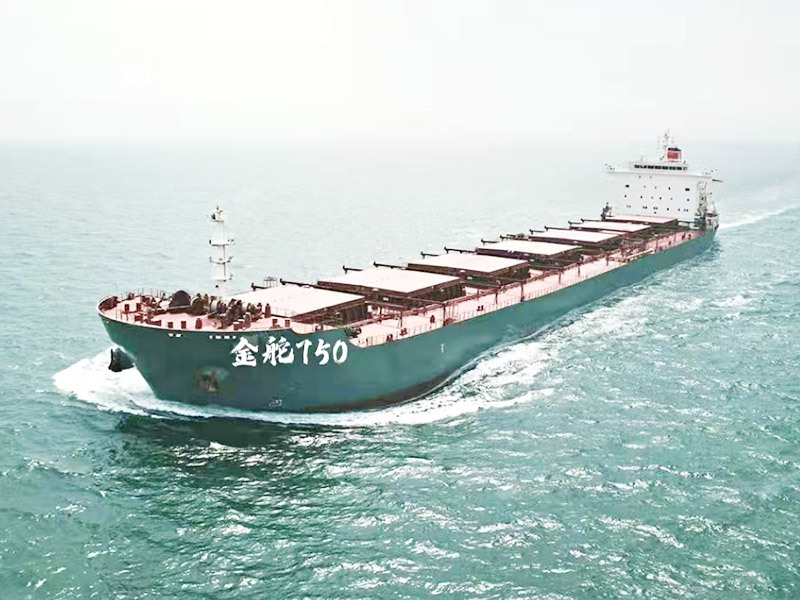
An 80000 DWT bulk carrier is a type of vessel specifically designed to carry bulk cargoes, with a deadweight tonnage of 80,000 tons. This substantial size allows them to transport vast quantities of goods, reducing the overall cost per ton of freight. The design of these ships emphasizes efficiency, stability, and cargo safety. The typical dimensions of an 80000 DWT bulk carrier are approximately 225 meters in length and 32 meters in width, allowing for optimal navigation through various maritime routes.
Key Characteristics of 80000 DWT Bulk Carriers
1. **Cargo Capacity**: With a capacity to carry around 80,000 tons, these vessels are ideal for bulk shipments.
2. **Efficiency**: The size allows for fewer trips compared to smaller vessels, minimizing operational costs.
3. **Versatility**: These carriers can transport various cargo types, including agricultural products, ores, and coal.
4. **Stability**: The design ensures stability even when laden with heavy bulk cargo, enhancing safety at sea.
The Role of Bulk Carriers in Global Trade
Bulk carriers, particularly 80000 DWT vessels, are the backbone of global trade. They facilitate the movement of essential raw materials that fuel industries and economies worldwide. From transporting iron ore for steel manufacturing to shipping grains for food production, these ships are involved in a wide range of sectors.
Supporting Economic Growth
The shipping industry significantly contributes to economic development. Bulk carriers are instrumental in reducing transportation costs, which, in turn, lowers the prices of goods for consumers. This aspect is crucial in maintaining competitive pricing in global markets, enabling countries to trade efficiently.
Impact on Local Economies
Bulk carriers also benefit local economies by connecting producers to international markets. For instance, farmers in South America can export their grain to Asia or Europe, enhancing their income and promoting agricultural growth. The shipping industry, therefore, acts as a facilitator for economic prosperity.
Economic Benefits of 80000 DWT Bulk Carriers
The economic advantages of 80000 DWT bulk carriers are multifaceted, impacting various stakeholders in the shipping ecosystem.
Cost-effectiveness in Shipping
One of the primary benefits of using larger bulk carriers is the cost-efficiency they provide. By transporting more cargo per voyage, these vessels lower the cost per ton of transport. This efficiency translates to lower freight rates for shippers and, ultimately, for consumers.
Operational Efficiency
Operational efficiency is enhanced through fewer port calls, which minimizes time spent in loading and unloading. This efficiency increases turnaround times for shipping lines, allowing them to serve more clients and optimize their fleets.
Scale Economies in Maritime Logistics
The use of 80000 DWT bulk carriers allows shipping companies to exploit scale economies. Larger vessels can achieve better fuel efficiency per ton of cargo transported, leading to significant savings in operational costs.
Environmental Impact and Sustainability of Bulk Shipping
While bulk carriers are essential for facilitating trade, their environmental impact cannot be overlooked. The shipping industry is under increasing pressure to reduce its carbon footprint and promote sustainability.
Efforts to Reduce Emissions
80000 DWT bulk carriers are increasingly being designed with eco-friendly technologies that aim to reduce emissions. Innovations such as the use of cleaner fuels, hull optimization, and advanced engine technologies contribute to lower carbon emissions.
Implementing Sustainable Shipping Practices
Shipping companies are also adopting sustainable practices, such as route optimization and energy-efficient navigation, to minimize their environmental impact. These strategies not only benefit the planet but also enhance the companies’ reputations among environmentally-conscious consumers.
Technological Advancements in 80000 DWT Bulk Carriers
The maritime industry is witnessing significant technological advancements that enhance the functionality and efficiency of bulk carriers.
Automation and Digitalization
Modern 80000 DWT bulk carriers are increasingly equipped with automation technologies that streamline operations. Digital solutions, such as route optimization software and predictive maintenance systems, improve operational efficiency and safety.
Smart Shipping Technologies
Emerging smart shipping technologies, including the Internet of Things (IoT) and artificial intelligence (AI), are enhancing the capabilities of bulk carriers. These innovations allow for real-time monitoring of vessels, leading to proactive decision-making that maximizes efficiency.
Future Trends in Bulk Shipping Industry
As global trade continues to evolve, so too will the bulk shipping industry. Several trends are shaping the future of 80000 DWT bulk carriers.
Decarbonization Initiatives
With increasing regulatory pressures, the shipping industry is moving towards decarbonization. The development of alternative fuels, such as hydrogen and ammonia, is set to redefine operational standards for bulk carriers.
Investing in Sustainability
Shipping companies are likely to invest more in sustainable practices and technologies. The focus will be on building eco-friendly fleets that meet regulatory requirements while minimizing their environmental footprint.
Conclusion
The importance of 80000 DWT bulk carriers in global shipping solutions cannot be overstated. Their ability to transport vast quantities of cargo efficiently and economically positions them as a cornerstone of international trade. As the industry evolves, these vessels will continue to adapt through technological advancements and sustainable practices, ensuring they meet the demands of a changing world.
Frequently Asked Questions (FAQs)
1. What types of cargo do 80000 DWT bulk carriers typically transport?
80000 DWT bulk carriers are designed to transport bulk commodities, including agricultural products like grains, minerals such as iron ore, and energy resources like coal.
2. How do 80000 DWT bulk carriers compare to smaller vessels?
Compared to smaller vessels, 80000 DWT bulk carriers offer greater cargo capacity, operational efficiency, and cost-effectiveness, making them more suitable for large-scale shipping operations.
3. What are the environmental benefits of using larger bulk carriers?
Larger bulk carriers, like the 80000 DWT vessels, typically achieve better fuel efficiency and lower emissions per ton of cargo transported, contributing to more sustainable shipping practices.
4. How are technological advancements affecting bulk shipping?
Technological advancements such as automation, IoT, and AI are enhancing the operational efficiency and safety of bulk carriers, allowing for real-time monitoring and optimized logistics.
5. What future trends should we expect in the bulk shipping industry?
Expect trends such as decarbonization initiatives, investments in sustainability, and the adoption of innovative technologies to shape the future of the bulk shipping industry, including 80000 DWT carriers.
By understanding the multifaceted role of 80000 DWT bulk carriers, we can appreciate their contribution to global shipping solutions and the future of maritime logistics.
Other news

Exploring the Advantages of 83,500 DWT Inshore Bulk Carriers in Modern Shipping
--- The 83,500 DWT inshore bulk carrier represents a significant advancement in shipping technology, designed specifically for efficient transport of bulk commodities. With a deadweight tonnage (DWT) of 83,500, these vessels are ideal for carrying large quantities of cargo, making them a preferred choice in the logistics of maritime transport. One of the primary advantages of an 83,500 DWT inshore
Addressing Common Myths About Ship Refitting Services: Understanding the Truth Behind the Trends
Addressing Common Myths About Ship Refitting Services In the dynamic world of maritime operations, ship refitting services are often shrouded in misconceptions. This article aims to clarify these myths, providing a comprehensive understanding of what ship refitting entails, its benefits, and how it can ultimately enhance the efficiency and safety of your vessels. We will dissect common myths and p
Challenges Faced by 85000 DWT Inshore Bulk Carriers in Shallow Waters
Challenges Faced by 85000 DWT Inshore Bulk Carriers in Shallow Waters Introduction to Inshore Bulk Carriers Inshore bulk carriers, particularly those with a deadweight tonnage (DWT) of 85,000, play a crucial role in the global shipping industry. These vessels are designed to transport large volumes of bulk materials such as coal, grain, and minerals across short distances, typically closer to shor

TAIZHOU JINDUO SHIP BUILDING CO.,LTD
Add:
Juding International Building, Yijia Road, Jiaojiang District,Taizhou City, Zhejiang Province
Tel:
E-mail:
Whatsapp:
Wechat:
+86 15726978366


SAF Coolest v1.3.1.2 设置面板 OWSSD-ZYOB-ASSXE-ZWZ
无数据提示
Sorry, the current column is being updated, so stay tuned!
You can check out the other columns or go back HOME
V1.3.1 SVG图标库请自行添加图标,用div包起来,并命名使用
Privacy
The Software respects and protects the personal privacy of all users of the Services. In order to provide you with a more accurate and personalized service, the Software will use and disclose your personal information in accordance with this Privacy Policy. However, the Software will treat such information with a high degree of diligence and duty of care. Except as otherwise provided in this Privacy Policy, the Software will not disclose or provide this information to third parties without your prior permission. The Software may update this Privacy Policy from time to time. You will be deemed to have agreed to this Privacy Policy in its entirety when you agree to the Software Service Use Agreement. This Privacy Policy is an integral part of this Software Service Use Agreement. 1. Scope of ApplicationIn your use of the Software's network services, the Software automatically receives and records information on your cell phone, including, but not limited to, your health data, the language used, the date and time of access, information on hardware and software characteristics, and data on webpage records of your needs; 2. Use of InformationAfter obtaining your data, the Software uploads it to the server to generate your leaderboard data so that you can better use the Services. The Software will upload your data to the server to generate your ranking data so that you can use the service in a better way. 3. Information Disclosure 3.1 The Software will not disclose your information to untrusted third parties. 3.2 In accordance with the relevant provisions of the law, or the requirements of administrative or judicial bodies, disclosure to third parties or administrative or judicial bodies; 3.3 If you appear to violate the relevant Chinese laws, regulations or relevant rules, it is necessary to disclose it to a third party; 4. Information Storage and Exchange The information and materials collected by the Software about you will be stored on the servers of the Software and/or its affiliates. The information and data may be transferred to and accessed, stored and displayed outside of your country or region or the country in which the Software collects the information and data. 5. Information Security When using the Software's network services to conduct online transactions, you will inevitably disclose your personal information, such as contact information or postal address, to the counterparty or potential counterparty. Please protect your personal information and provide it to others only when necessary. If you find that your personal information has been compromised, please contact the software's customer service immediately so that the software can take appropriate measures.