News






Understanding the 83,500 DWT Inshore Bulk Carrier: A Comprehensive Guide
--- The 83,500 DWT (Deadweight Ton) inshore bulk carrier represents a significant advancement in maritime transport technology, designed specifically to handle bulk cargo efficiently in shallow coastal waters. This type of vessel is pivotal for industries that rely on the movement of large quantities of raw materials such as coal, grain, and minerals within close proximity to shorelines. One of th
Source:
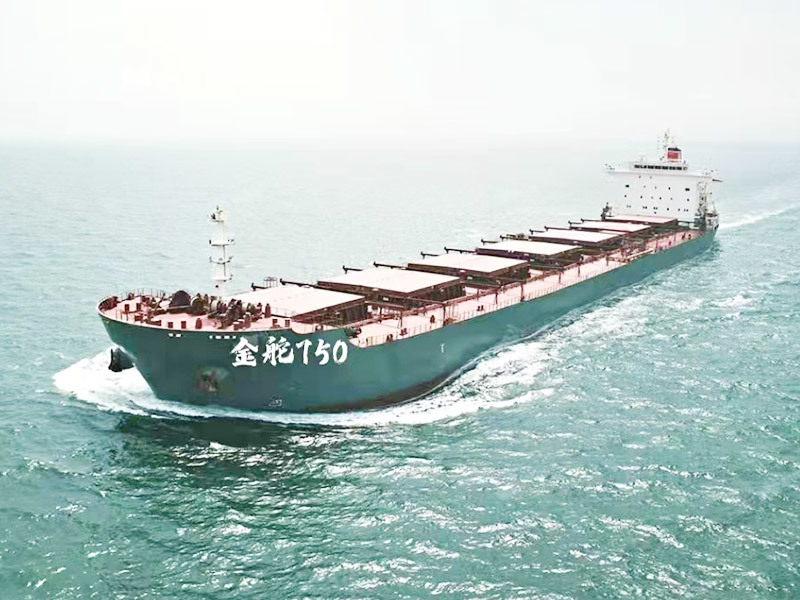
Why Choose an 85000 DWT Bulk Carrier for Your Inshore Transport Needs?
Why Choose an 85000 DWT Bulk Carrier for Your Inshore Transport Needs? Table of Contents 1. Understanding Bulk Carriers and Their Specifications 2. The Significance of DWT in Bulk Carriers 3. Advantages of 85000 DWT Bulk Carriers 3.1 Enhanced Capacity and Efficiency 3.2 Cost-Effectiveness in Transport 3.3 Versatility in Cargo Handling 3.4 Environmental Benefits 4. Operational Considerations for In
Source:

Understanding the 87000 DWT International Routes Bulk Carrier: A Key Player in Global Trade
The 87000 DWT (Deadweight Tonnage) international routes bulk carrier is a substantial vessel commonly used in maritime trade, playing a crucial role in the global supply chain. These bulk carriers are specifically designed to transport large volumes of unpackaged bulk cargoes, such as coal, grain, iron ore, and other raw materials essential for various industries worldwide. One of the key advanta
Source:
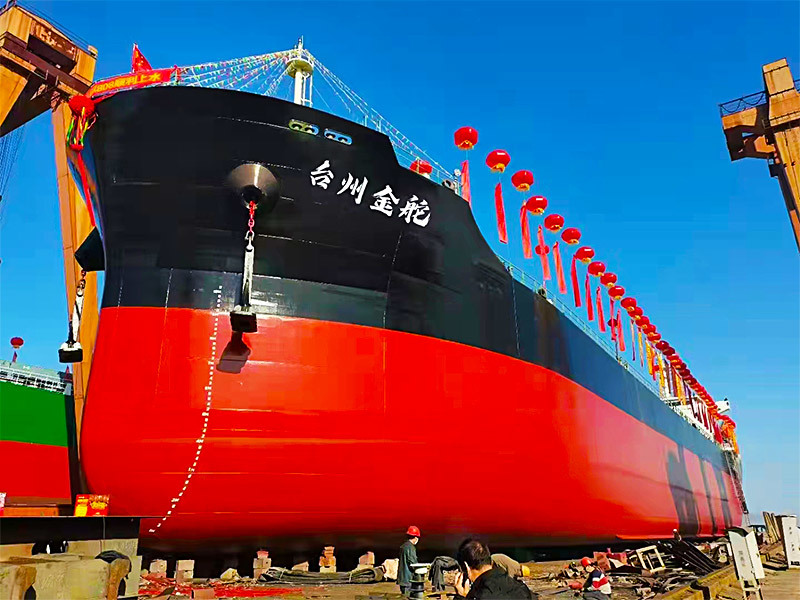
Innovations in Bulk Shipping: The 93000 DWT Carrier Advantage
Innovations in Bulk Shipping: The 93000 DWT Carrier Advantage Table of Contents 1. Introduction to Bulk Shipping Innovations 2. The 93000 DWT Carrier: Capacity and Advantages 3. Fuel Efficiency and Environmental Impact 4. Technological Advancements in Shipping 5. Cost-Effectiveness of 93000 DWT Carriers 6. Impact on Global Trade and Logistics 7. Safety and Regulatory C
Source:
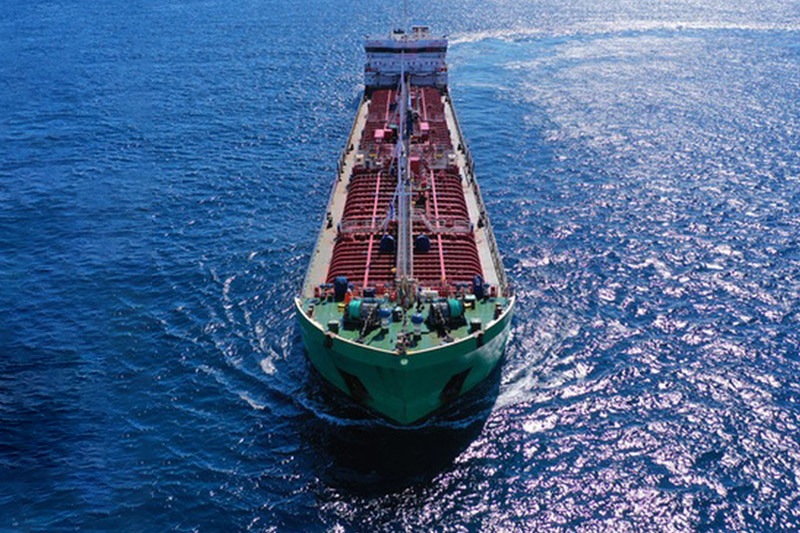
Understanding the Advantages and Considerations of Second Hand Cargo Ships
When exploring the option of second hand cargo ships, it is crucial to understand both the advantages and the considerations that come with purchasing used vessels. One of the primary benefits is cost efficiency. Second hand cargo ships can significantly reduce the initial investment compared to new builds, allowing companies to allocate resources to other operational areas such as maintenance and
Source:

Exploring the Capabilities of a 50,000 DWT Inshore Container Ship with 2,754 TEU Capacity
The maritime industry has continually evolved to meet the growing demands for efficient cargo transportation, and the 50,000 DWT inshore container ship with a capacity of 2,754 TEU represents a significant advancement in this sector. These vessels are specifically designed for medium-range operations, making them suitable for coastal and regional routes, where larger ships may not be viable due to
Source:

Increasing Shipping Efficiency: The Impact of 50500 DWT Inshore Vessels
Increasing Shipping Efficiency: The Impact of 50500 DWT Inshore Vessels Table of Contents 1. Introduction to 50500 DWT Inshore Vessels 2. Understanding DWT: What Does 50500 DWT Mean? 3. The Efficiency of Inshore Vessels: A Closer Look 4. Technological Innovations in 50500 DWT Vessels 5. Operational Strategies for Maximizing Shipping Efficiency 6. Environmental Consideratio
Source:

Understanding the 77900 DWT International Flights Bulk Carrier: A Comprehensive Overview
The 77900 DWT International Flights Bulk Carrier represents a significant advancement in maritime transport, particularly in the bulk shipping sector. With a deadweight tonnage of 77,900 DWT, this type of vessel is designed to efficiently transport vast quantities of bulk cargo across international waters. Its design not only promotes enhanced stability and fuel efficiency but also adheres to mode
Source:

The Environmental Benefits of Using 80000 DWT Bulk Carriers
The Environmental Benefits of Using 80000 DWT Bulk Carriers Table of Contents 1. Introduction to 80000 DWT Bulk Carriers 2. Enhancing Sustainability in Maritime Transport 3. Fuel Efficiency and Reduced Emissions 4. Technological Innovations Driving Environmental Benefits 5. Waste Reduction and Management 6. Meeting Environmental Regulations 7. Economic and Operational Benefits to th
Source:

The 81,000 DWT (Deadweight Tonnage) International Routes Bulk Carrier represents a significant category within the maritime transport industry. These vessels are primarily designed to transport bulk commodities such as grains, minerals, and other raw materials across global shipping routes. Understanding the characteristics, operational efficiency, and strategic importance of these vessels can pro
Source:

82000 DWT Bulk Carriers: Setting New Standards for Shipping Efficiency
82000 DWT Bulk Carriers: Setting New Standards for Shipping Efficiency The shipping industry is undergoing a significant transformation, with 82000 DWT bulk carriers leading the charge towards enhanced shipping efficiency. These vessels have been designed to optimize cargo transport while minimizing environmental impact. In this article, we will explore the features, benefits, and advancements of
Source:

Understanding the Advantages of an 82000 DWT International Routes Bulk Carrier
The 82000 DWT (Deadweight Tonnage) bulk carrier is a significant vessel type commonly used in international shipping routes for the transportation of bulk commodities such as coal, iron ore, and grains. Understanding the operational characteristics and advantages of this vessel can aid shipping companies and logistics managers in making informed decisions regarding fleet operations and route plann
Source:
Navigating Challenges: The Importance of Floating Storage Offloading Systems
Navigating Challenges: The Importance of Floating Storage Offloading Systems Table of Contents 1. Introduction to Floating Storage Offloading Systems 2. The Role of FSOs in the Shipping Industry 2.1 Enhancing Efficiency in Oil and Gas Production 2.2 Reducing Shipping Costs 3. Key Components of Floating Storage Offloading Systems 3.1 Design and Structure 3.2 Advanced Technologies in FSOs 4. Environ
Source:

Understanding the Innovative Design and Functionality of Unlimited Area Bulk Carriers
Understanding the Innovative Design and Functionality of Unlimited Area Bulk Carriers Table of Contents 1. Introduction to Unlimited Area Bulk Carriers 2. The Significance of UABCs in Global Trade 3. Key Design Features of Unlimited Area Bulk Carriers 4. Advanced Technologies in UABCs 5. Operational Functionality and Efficiency 6. Sustainability in UABC Design and Operatio
Source:
Understanding the 83500 DWT Inshore Bulk Carrier: Key Features and Benefits
The 83500 DWT inshore bulk carrier is a significant player in the maritime transportation sector, particularly for bulk goods. This type of vessel is specially designed to support operations in shallow waters, making it ideal for transporting bulk cargo to ports that may not accommodate larger vessels. Understanding its features and operational benefits can help stakeholders make informed decision
Source:

Exploring the Advantages of 85000 DWT Inshore Area Bulk Carriers
Exploring the Advantages of 85000 DWT Inshore Area Bulk Carriers Table of Contents 1. Introduction to 85000 DWT Inshore Area Bulk Carriers 2. Design and Structural Features 2.1 Hull Design and Stability 2.2 Cargo Capacity and Efficiency 3. Operational Efficiency of 85000 DWT Carriers 3.1 Fuel Consumption and Economic Benefits 3.2 Cargo Handling and Loading Techniques 4. Environmental Impact and Su
Source:

The 87,000 DWT (Deadweight Tonnage) international routes bulk carrier is a vital component of the maritime transport sector, particularly in the bulk cargo segment. These vessels are specifically designed to transport large quantities of dry bulk materials, such as grains, coal, iron ore, and other raw materials pivotal to global industries. Understanding the role of these carriers can provide ins
Source:
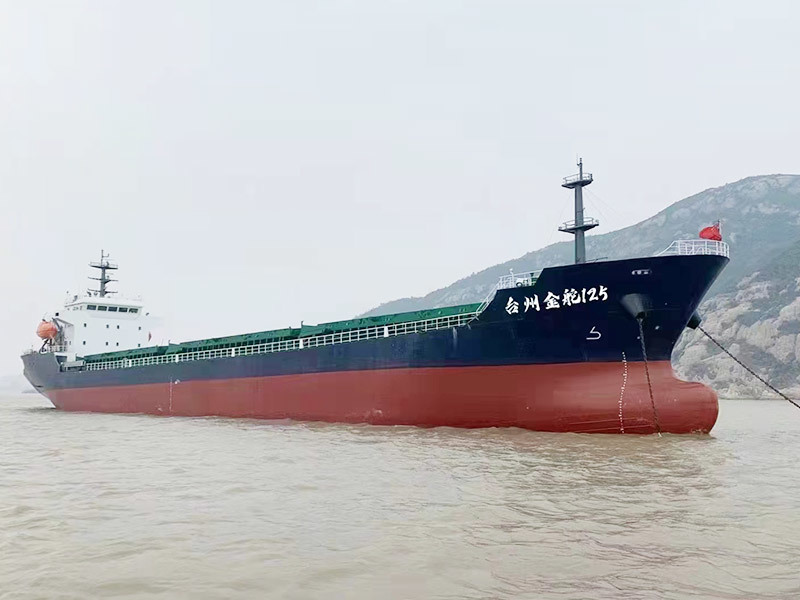
Comparing Different Types of Bulk Carriers: Why 93000 DWT Stands Out
Comparing Different Types of Bulk Carriers: Why 93000 DWT Stands Out Table of Contents Introduction to Bulk Carriers and Their Importance Types of Bulk Carriers: A Comprehensive Overview Understanding Deadweight Tonnage (DWT) Advantages of 93000 DWT Bulk Carriers Design Features of 93000 DWT Bulk Carriers Economic Benefits of Using 93000 DWT Bulk Carriers Comparing 93000 DWT with Ot
Source:
Exploring the Capabilities of a 50000 DWT Inshore Container Ship: 2754 TEU Capacity
--- In the shipping industry, a 50000 DWT inshore container ship with a capacity of 2754 TEU represents a significant advancement in maritime logistics. These vessels are designed to handle a diverse range of cargo in various conditions, primarily focusing on operations in coastal and inland waterways. The term "DWT" refers to Deadweight Tonnage, indicating the total weight a ship can safely carry
Source:

A Comprehensive Guide to the 2754TEU Inshore Container Ship Table of Contents Introduction to the 2754TEU Inshore Container Ship Design and Structure of the 2754TEU Ship Operational Capabilities Environmental Impact and Sustainability Technological Advancements in Shipping Benefits of Using the 2754TEU Inshore Container Ship Future Trends in Maritime Transportation
Source:

The Essential Guide to Ship Refit and Conversion: Navigating the Future of Marine Transport
--- Ship refit and conversion are vital processes in the maritime industry that cater to the evolving needs of modern shipping operations. Refitting refers to the upgrading or modification of existing vessels to improve their functionality, safety, and efficiency. Conversion, on the other hand, involves changing the original purpose of a vessel, such as transforming a cargo ship into a passenger f
Source:

Understanding the Role of 77900 DWT International Flights Bulk Carriers in Modern Shipping
In the ever-evolving landscape of the shipping industry, the 77900 DWT (deadweight tonnage) international flights bulk carrier stands out as a pivotal asset. These vessels are designed primarily for the transportation of bulk commodities, such as grains, coal, and minerals, across international waters, facilitating global trade and commerce. Understanding the operational features and advantages of
Source:

How 80000 DWT Bulk Carriers Optimize International Freight Transport
How 80000 DWT Bulk Carriers Optimize International Freight Transport Introduction to 80000 DWT Bulk Carriers In the realm of international freight transport, **80,000 DWT (Deadweight Tonnage) bulk carriers** play a crucial role. These vessels significantly enhance the efficiency and effectiveness of transporting bulk commodities across vast distances. Understanding their operational mechanics, ben
Source:

Understanding the Dynamics of 81,000 DWT International Routes Bulk Carriers
The 81,000 DWT bulk carriers are designed to transport bulk commodities such as grain, coal, iron ore, and fertilizers efficiently across international routes. With their substantial carrying capacity, these vessels enable shipping companies to optimize freight costs, thereby enhancing their competitiveness in global markets. Here, we delve into several technical aspects and operational considerat
Source:
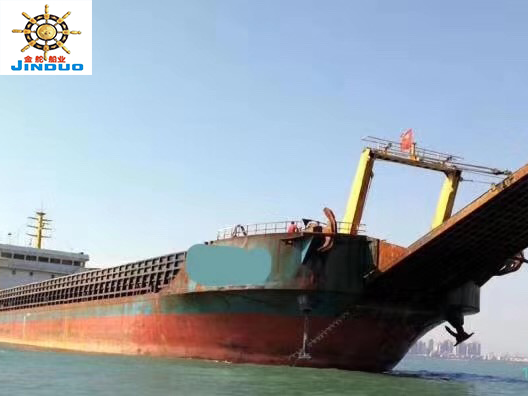
Navigating Challenges: The Resilience of 82000 DWT Bulk Carriers in Open Waters
Navigating Challenges: The Resilience of 82000 DWT Bulk Carriers in Open Waters Table of Contents 1. Introduction to 82000 DWT Bulk Carriers 2. The Importance of Bulk Carriers in Global Trade 3. Design and Engineering Features of 82000 DWT Vessels 3.1 Hull Design and Stability 3.2 Propulsion Systems and Fuel Efficiency 4. Navigational Challenges Faced by Bulk Carriers 4.1 Weather Conditions and Th
Source:

Understanding the Role of 82,000 DWT International Routes Bulk Carriers in Maritime Logistics
In the maritime logistics industry, the 82,000 DWT (Deadweight Tonnage) international routes bulk carrier represents a crucial asset for transporting large quantities of bulk materials across the globe. These vessels are designed to carry a wide range of commodities, including grains, coal, iron ore, and fertilizers, making them integral to international trade. One of the key features of an 82,000
Source:

Innovations in Bulk Transport: The 82000 DWT Carrier Advantage
Innovations in Bulk Transport: The 82000 DWT Carrier Advantage Table of Contents 1. Introduction to Bulk Transport Innovations 2. Understanding Deadweight Tonnage (DWT) 3. The Benefits of 82000 DWT Carriers 3.1 Efficiency in Bulk Transport Operations 3.2 Enhanced Safety Features 3.3 Environmental Impact and Sustainability
Source:

Exploring the Advantages of 83,500 DWT Inshore Bulk Carriers in Modern Maritime Transportation
The 83,500 DWT inshore bulk carrier is an excellent asset in the maritime transportation sector, designed to meet the growing demands of bulk cargo logistics. With a deadweight tonnage of 83,500, these vessels are particularly suited for coastal and inshore operations, allowing for efficient transport of a variety of bulk materials, such as agricultural products, minerals, and construction materia
Source:
LPG Tanker Ships: Critical Assets in Crisis Situations
LPG Tanker Ships: Critical Assets in Crisis Situations Table of Contents Introduction to LPG Tanker Ships The Role of LPG Tanker Ships in Crisis Situations Key Features and Design of LPG Tankers Safety Protocols and Regulations Operational Strategies for Crisis Management Case Studies: LPG Tankers in Action Challenges Faced by LPG Tanker Ships Future Trends in LPG
Source:

The Future of Shipping: Trends in 85000 DWT Inshore Bulk Carriers
The Future of Shipping: Trends in 85000 DWT Inshore Bulk Carriers The shipping industry is undergoing a significant transformation, particularly in the realm of inshore bulk carriers. With the increasing demand for efficient, sustainable, and technologically advanced vessels, the 85000 DWT (Deadweight Tonnage) inshore bulk carriers stand at the forefront of these trends. This article presents an i
Source:

Exploring the Advantages of 87,000 DWT International Route Bulk Carriers
The 87,000 Deadweight Tonnage (DWT) bulk carrier represents a pivotal class of vessel in maritime transport, especially for international trade routes. These bulk carriers are designed to efficiently transport a wide range of bulk materials, including grains, coal, and mineral ores. Their size makes them particularly advantageous for shipping operations, striking a balance between capacity and man
Source:
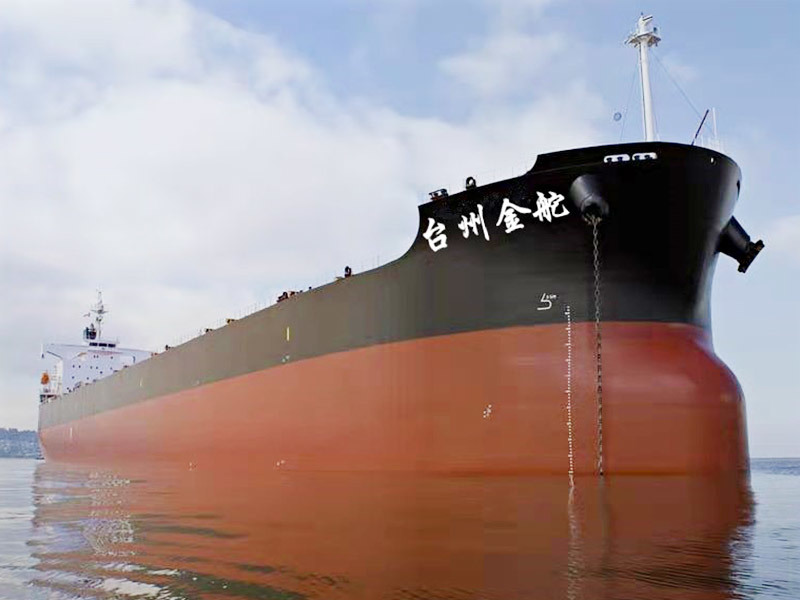
The Environmental Impact of 93000 DWT Bulk Carriers in Shipping
The Environmental Impact of 93000 DWT Bulk Carriers in Shipping As global trade continues to expand, the role of shipping, particularly that of bulk carriers, has become increasingly pivotal. With a deadweight tonnage (DWT) of 93,000, these vessels play a significant part in transporting essential commodities such as coal, grain, and iron ore. However, their substantial size and operational demand
Source:

Exploring the Advantages and Design of the 50000 DWT Inshore Container Ship (2754 TEU)
In the realm of maritime transportation, the 50000 DWT (Deadweight Tonnage) inshore container ship designed to accommodate 2754 TEU (Twenty-foot Equivalent Units) represents a pivotal development. This category of vessel aligns with contemporary demands for efficient and sustainable shipping practices, particularly for regional trade routes. One of the most significant advantages of a 50000 DWT co
Source:

Top Features of 50,500 DWT Inshore Container Ships You Should Know
Top Features of 50,500 DWT Inshore Container Ships You Should Know Introduction to 50,500 DWT Inshore Container Ships In the world of maritime transport, **50,500 DWT (Deadweight Tonnage)** inshore container ships play a crucial role in facilitating efficient cargo movement along coastlines and inland waterways. These vessels are designed to cater to the growing demand for container transport,
Source:
Understanding the 77900 DWT International Flights Bulk Carrier: A Comprehensive Guide
The 77900 DWT (Deadweight Tonnage) International Flights Bulk Carrier represents a significant advancement in the maritime transportation industry, particularly for bulk goods. This class of vessels is engineered to efficiently transport a variety of dry bulk commodities, including coal, grain, and ores, across international waters. Understanding the unique features and operational capabilities of
Source:

The Future of Maritime Trade: 80000 DWT Bulk Carriers Leading the Way
The Future of Maritime Trade: 80000 DWT Bulk Carriers Leading the Way Table of Contents 1. Introduction: The Evolution of Maritime Trade 2. Overview of Bulk Carriers: Types and Sizes 3. Importance of 80000 DWT Bulk Carriers in Modern Shipping 4. Technological Advancements in 80000 DWT Bulk Carriers 5. Environmental Impact and Sustainability Initiatives 6. Economic Implicat
Source:
Essential Insights on Used Commercial Vessels: A Comprehensive Guide for Professionals
When it comes to the maritime industry, the term “used commercial vessel” encompasses a wide array of vessels previously deployed for various commercial purposes. These can include freight carriers, fishing boats, passenger ferries, and specialized service vessels. Understanding the nuances of acquiring a used commercial vessel is crucial for professionals looking to make informed decisions in the
Source:

Maximizing Efficiency and Safety in 81,000 DWT International Routes Bulk Carriers
In the realm of maritime transport, the 81,000 DWT (Deadweight Tonnage) bulk carrier plays a significant role in the global supply chain. These vessels are designed to transport a wide range of bulk materials, from grains to minerals, across international waters. Understanding the operational intricacies of such carriers is crucial for ship owners, operators, and maritime professionals. One of the
Source:
The Impact of 82000 DWT Bulk Carriers on Maritime Logistics Strategy
The Impact of 82000 DWT Bulk Carriers on Maritime Logistics Strategy Table of Contents 1. Introduction to 82000 DWT Bulk Carriers 2. Understanding Bulk Carriers and Their Specifications 3. The Significance of Deadweight Tonnage (DWT) 4. Maritime Logistics Strategy: An Overview 5. Impact of 82000 DWT Bulk Carriers on Maritime Logistics 5.1 Operational Effic
Source:
The 82,000 DWT (Deadweight Tonnage) international routes bulk carrier is a vital vessel type in the global shipping industry. These ships are specifically designed for the bulk transportation of commodities such as coal, grain, and iron ore across international waters. Their size and design allow them to efficiently navigate key shipping routes, making them an integral part of global trade. One of
Source:

Choosing the Right Bulk Carrier: Comprehensive Insights on the 82000 DWT Model
Choosing the Right Bulk Carrier: Comprehensive Insights on the 82000 DWT Model The maritime transport industry is pivotal in global trade, with bulk carriers being crucial for transporting large quantities of goods. Among these vessels, the **82000 DWT (Deadweight Tonnage) model** stands out due to its operational advantages and versatility. In this article, we will provide comprehensive insights
Source:

Exploring the Advantages of an 83,500 DWT Inshore Bulk Carrier
When it comes to maritime transportation, the choice of vessel plays a crucial role in operational success. An 83,500 DWT inshore bulk carrier is designed to meet the growing demands of bulk cargo transport in coastal and inland waterways. These carriers offer several advantages that make them a preferred option for various shipping companies. Firstly, one of the key features of an 83,500 DWT insh
Source:
85000 DWT Inshore Bulk Carriers: Enhancing Port Operations for Efficient Maritime Logistics
85000 DWT Inshore Bulk Carriers: Enhancing Port Operations for Efficient Maritime Logistics The maritime industry is witnessing a significant transformation with the introduction of 85000 DWT inshore bulk carriers. These vessels are not just a mode of transport; they are instrumental in enhancing port operations and streamlining logistics. This article delves deep into the multifaceted advantages
Source:

Understanding the Role of 87,000 DWT International Routes Bulk Carriers in Global Trade
The 87,000 DWT International routes bulk carrier is a pivotal vessel type in the maritime transport sector, particularly for bulk commodities such as coal, grain, and minerals. With a deadweight tonnage of 87,000 metric tons, these ships are designed to optimize cargo capacity while ensuring efficient fuel consumption and operational costs. Their size enables them to access a wide array of interna
Source:

How Self Unloading Bulk Carriers Revolutionize Logistics and Supply Chain Management
Understanding Self Unloading Bulk Carriers What Are Self Unloading Bulk Carriers? Self unloading bulk carriers (SUBCs) are specialized vessels designed to transport bulk materials like coal, grain, and minerals with minimal manual handling. These ships feature an integrated unloading system that allows for efficient discharging of cargo without the need for shore-based equipment. This innovation h
Source:
Understanding the Specifications of 93000 DWT Unlimited Sailing Area Carriers: A Comprehensive Guide
Understanding the Specifications of 93000 DWT Unlimited Sailing Area Carriers In the realm of maritime transport, 93000 DWT (Deadweight Tonnage) unlimited sailing area carriers represent a pinnacle of engineering and design. These vessels are built for efficiency, safety, and versatility, making them indispensable in the shipping industry. In this article, we will delve deep into the specification
Source:

Exploring the Essentials of a 50,000 DWT Inshore Container Ship with 2,754 TEU Capacity
In the maritime industry, the 50,000 DWT (Deadweight Tonnage) inshore container ship is a pivotal player, particularly in regional and intra-regional trade. These vessels typically possess a capacity of around 2,754 TEU (Twenty-foot Equivalent Units), positioning them as a crucial link in the supply chain. The design and operational characteristics of such ships contribute to their efficiency and
Source:

Understanding the Design and Benefits of 2754TEU Container Ships: A Comprehensive Guide
Understanding the Design and Benefits of 2754TEU Container Ships Table of Contents What Are 2754TEU Container Ships? The Design Features of 2754TEU Container Ships Benefits of Using 2754TEU Container Ships The Role of 2754TEU Container Ships in Global Trade Environmental Considerations in Design Advancements in 2754TEU Container Ship Technology The Economic Impact of 2
Source:
The 77900 DWT (Deadweight Tonnage) international flights bulk carrier is a significant vessel type in the global maritime transport sector. These carriers are specifically designed to transport bulk cargo, including commodities like grains, coal, iron ore, and various other materials that are often shipped internationally. Understanding the specifications and functionalities of this vessel type ca
Source:
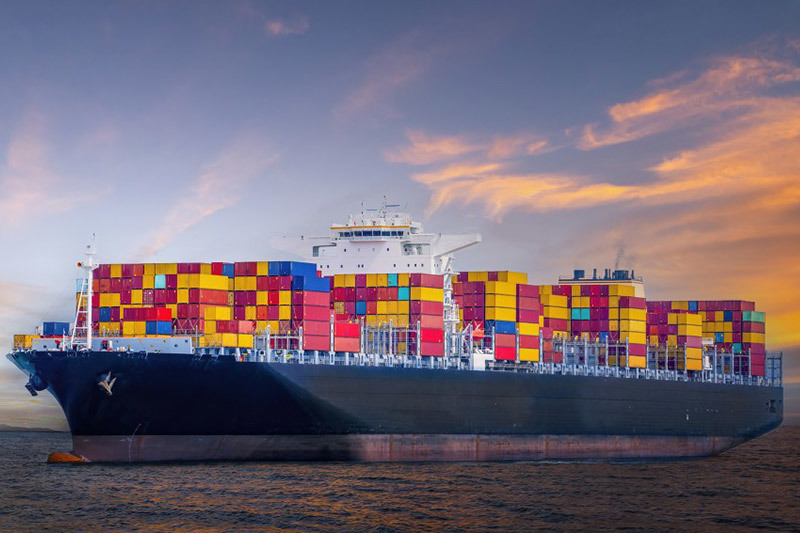
Understanding the Features and Benefits of a 5000 DWT Bulk Carrier
A 5000 DWT (Deadweight Tonnage) bulk carrier is a vessel specifically designed to transport bulk cargo such as grains, coal, and minerals. With a deadweight capacity of 5000 metric tons, these ships are optimized for efficiency and versatility in the maritime transport sector. Understanding their structure, operational capabilities, and market relevance can offer significant advantages to professi
Source:

TAIZHOU JINDUO SHIP BUILDING CO.,LTD
Add:
Juding International Building, Yijia Road, Jiaojiang District,Taizhou City, Zhejiang Province
Tel:
E-mail:
Whatsapp:
Wechat:
+86 15726978366


SAF Coolest v1.3.1.2 设置面板 OWSSD-ZYOB-ASSXE-ZWZ
无数据提示
Sorry, the current column is being updated, so stay tuned!
You can check out the other columns or go back HOME
V1.3.1 SVG图标库请自行添加图标,用div包起来,并命名使用
Privacy
The Software respects and protects the personal privacy of all users of the Services. In order to provide you with a more accurate and personalized service, the Software will use and disclose your personal information in accordance with this Privacy Policy. However, the Software will treat such information with a high degree of diligence and duty of care. Except as otherwise provided in this Privacy Policy, the Software will not disclose or provide this information to third parties without your prior permission. The Software may update this Privacy Policy from time to time. You will be deemed to have agreed to this Privacy Policy in its entirety when you agree to the Software Service Use Agreement. This Privacy Policy is an integral part of this Software Service Use Agreement. 1. Scope of ApplicationIn your use of the Software's network services, the Software automatically receives and records information on your cell phone, including, but not limited to, your health data, the language used, the date and time of access, information on hardware and software characteristics, and data on webpage records of your needs; 2. Use of InformationAfter obtaining your data, the Software uploads it to the server to generate your leaderboard data so that you can better use the Services. The Software will upload your data to the server to generate your ranking data so that you can use the service in a better way. 3. Information Disclosure 3.1 The Software will not disclose your information to untrusted third parties. 3.2 In accordance with the relevant provisions of the law, or the requirements of administrative or judicial bodies, disclosure to third parties or administrative or judicial bodies; 3.3 If you appear to violate the relevant Chinese laws, regulations or relevant rules, it is necessary to disclose it to a third party; 4. Information Storage and Exchange The information and materials collected by the Software about you will be stored on the servers of the Software and/or its affiliates. The information and data may be transferred to and accessed, stored and displayed outside of your country or region or the country in which the Software collects the information and data. 5. Information Security When using the Software's network services to conduct online transactions, you will inevitably disclose your personal information, such as contact information or postal address, to the counterparty or potential counterparty. Please protect your personal information and provide it to others only when necessary. If you find that your personal information has been compromised, please contact the software's customer service immediately so that the software can take appropriate measures.