News






Unlocking Opportunities in the Shipping Industry: The 87000 DWT International Routes Bulk Carrier
The 87000 DWT (Deadweight Tonnage) International routes bulk carrier represents a vital component in the shipping industry, particularly in the transportation of bulk commodities such as grains, coal, and minerals. These vessels are designed to maximize cargo efficiency while navigating international waters, presenting unique opportunities and challenges for operators and stakeholders involved in
Source:

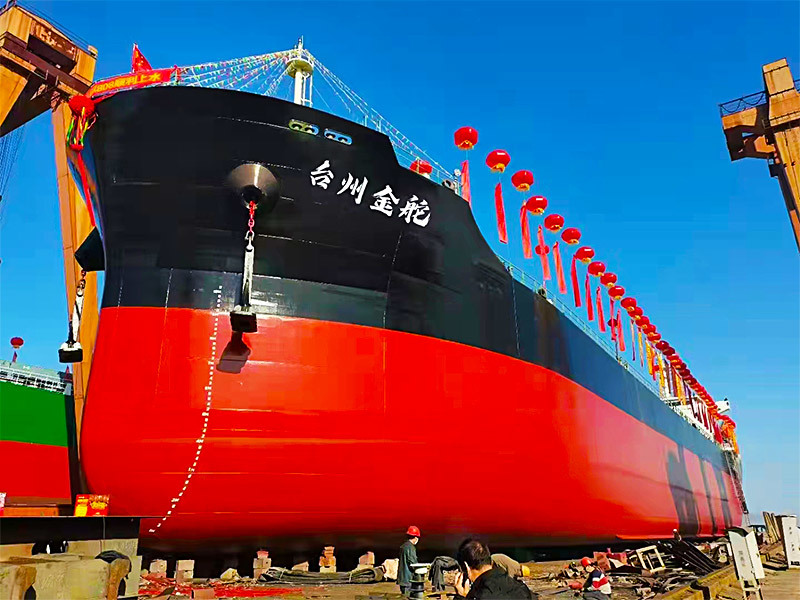
The Comprehensive Guide to Navigating the Logistics of Operating a 93,000 DWT Bulk Carrier in Open Waters The maritime industry is a crucial component of global trade, with bulk carriers playing a significant role in transporting goods across vast oceans. Among these vessels, the **93,000 DWT (Deadweight Tonnage) bulk carrier** stands as a formidable option for shipping large quantities of bulk go
Source:

82000 DWT Unlimited Area Bulk Carrier vs Kamsarmax 3 Key Differences
Image Source: statics.mylandingpages.co Three factors separate the 82000 dwt unlimited area bulk carrier from the Kamsarmax: size and deadweight, draft and port access, and regulatory flexibility. Both classes sit around 82,000 dwt, so route, cargo, and budget decide the fit in dry bulk shipping. The unlimited area designation removes geogra
Source:

Innovative Design and Efficiency of the 50000 DWT Inshore Container Ship 2754TEU
The 50000 DWT inshore container ship with a 2754 TEU capacity represents a significant evolution in maritime transport, combining efficiency, design, and environmental considerations. As the shipping industry increasingly shifts towards sustainable practices, this vessel exemplifies the integration of innovative technology and performance optimization. Firstly, the design of the 50000 DWT inshore
Source:

How 50500 DWT Inshore Container Ships Are Redefining Efficiency
How 50500 DWT Inshore Container Ships Are Redefining Efficiency Table of Contents 1. Introduction to 50500 DWT Inshore Container Ships 2. Key Features of 50500 DWT Inshore Container Ships 2.1 Design Innovations 2.2 Fuel Efficiency and Sustainability 3. Operational Benefits of 50500 DWT Inshore Container Ships 3.1 Enhanced Cargo Capacity 3.2 Versatility in Port Operations 4. Economic Impact of Util
Source:

Understanding the Role of 77900 DWT International Flights Bulk Carriers in Global Transportation
In the realm of maritime transportation, the 77900 DWT (Deadweight Tonnage) international flights bulk carrier plays a critical role in the efficient movement of goods across the globe. These vessels are designed to transport bulk cargoes, such as grains, coal, and minerals, effectively meeting the demands of international trade. Understanding the features and operational capabilities of such bulk
Source:

The Critical Role of 80,000 DWT Bulk Carriers in Modern Supply Chains
The Critical Role of 80,000 DWT Bulk Carriers in Modern Supply Chains Table of Contents Introduction to 80,000 DWT Bulk Carriers What Are Bulk Carriers? Benefits of 80,000 DWT Bulk Carriers Economic Impact on Global Trade Operational Efficiency in Maritime Logistics Environmental Considerations The Future of 80,000 DWT Bulk Carriers Conclusion FAQs Introductio
Source:

The Essential Guide to 81,000 DWT International Routes Bulk Carriers
In the realm of maritime transport, the 81,000 DWT (Deadweight Tonnage) bulk carrier plays a crucial role in facilitating international trade. These vessels are specifically designed to transport bulk commodities such as grains, coal, iron ore, and other raw materials essential for various industries. Understanding the operational dynamics of these ships is vital for stakeholders in the shipping a
Source:

What Makes 82000 DWT Bulk Carriers Ideal for Diverse Cargo Types?
What Makes 82000 DWT Bulk Carriers Ideal for Diverse Cargo Types? The maritime transport sector has continually evolved, with bulk carriers emerging as a vital component in global trade. Among these vessels, the **82000 DWT bulk carrier** stands out due to its unique capabilities in handling a variety of cargo types. This article delves into the reasons why these ships are deemed ideal for transpo
Source:

Is the 83500 DWT Inshore Bulk Carrier Your Best Choice?
Image Source: statics.mylandingpages.co The 83500 DWT Inshore bulk carrier suits some operators very well and others poorly. Trade lane, cargo mix, and draft limits decide the answer. This vessel shines in high-volume coastal and inshore bulk trades with tight draft and berth constraints. It fits poorly on deep-sea long-haul routes or trades
Source:

Understanding the Dynamics of 82000 DWT International Routes Bulk Carriers
The 82000 DWT (Deadweight Tonnage) international routes bulk carrier is a pivotal asset in global maritime logistics, designed for the efficient transportation of bulk commodities such as grains, minerals, and coal across international waters. This category of vessel plays a crucial role in maintaining supply chains, supporting industries worldwide. One of the critical advantages of 82000 DWT bulk
Source:

Challenges and Solutions in Operating Unlimited Area Bulk Carriers: A Comprehensive Guide
Challenges and Solutions in Operating Unlimited Area Bulk Carriers Introduction to Unlimited Area Bulk Carriers Operating Unlimited Area Bulk Carriers (UABCs) presents a unique set of challenges inherent to the scale and complexity of maritime transport. These vessels, designed for transporting bulk goods over large distances, must navigate a myriad of operational, logistical, and regulatory hurdl
Source:

85000 DWT Bulk Carrier Newbuilding and Market Demand Trends
Image Source: statics.mylandingpages.co 2026 brings moderate demand growth, easing supply pressure as the delivery peak passes, and a decisive shift toward eco-friendly, fuel-efficient designs. The 85000 DWT size offers flexibility across iron ore, coal, grain, and bauxite. Owners also deploy the 85000 dwt inshore area bulk carrier in region
Source:

Big vs Small 87000 DWT Bulk Carrier Size Showdown
Image Source: statics.mylandingpages.co The 87,000 dwt bulk carrier sits in the flexible Post-Panamax range. It carries more cargo than Panamax and Kamsarmax classes and stays more versatile than Capesize vessels. This size fits operators needing higher volume on major 87000 dwt international routes bulk carrier trades without the port restr
Source:

Understanding the 83,500 DWT Inshore Bulk Carrier: A Comprehensive Guide
The 83,500 DWT (Deadweight Tonnage) inshore bulk carrier is a specialized vessel designed for the efficient transportation of bulk commodities in coastal and inland waters. With a deadweight capacity of 83,500 tons, these carriers offer a unique blend of size, maneuverability, and versatility, making them invaluable in the shipping industry. One of the primary advantages of the 83,500 DWT inshore
Source:
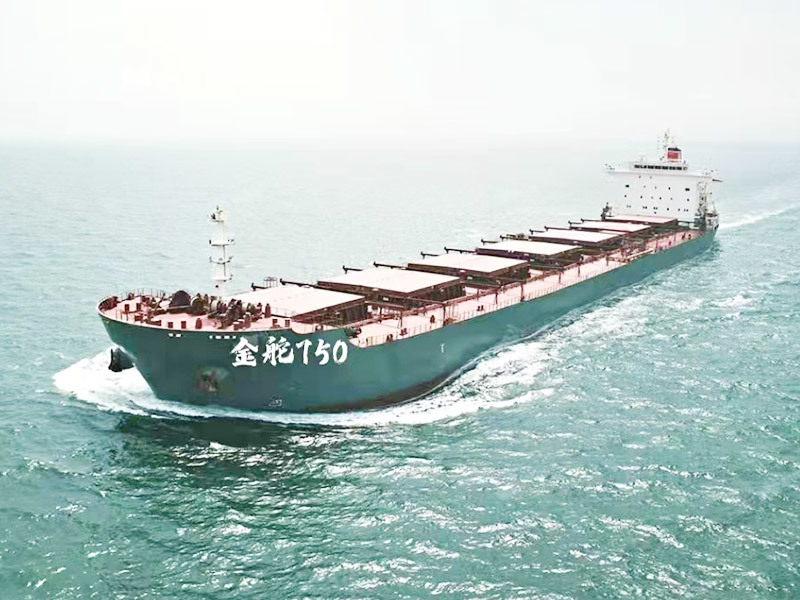
Investigating the Economic Impact of 85000 DWT Inshore Area Bulk Carriers
Investigating the Economic Impact of 85000 DWT Inshore Area Bulk Carriers Table of Contents 1. Introduction to 85000 DWT Inshore Area Bulk Carriers 2. Economic Significance of Bulk Carriers 3. Enhancing Operational Efficiency 4. Trade Implications in Maritime Shipping 5. Impact on Local Economies 6. Environmental Considerations 7. Future Prospects of Bulk Carriers 8. Frequently As
Source:

Navigating Safety: A Guide to 93000 DWT Bulk Carrier Features
Image Source: statics.mylandingpages.co A 93000 dwt unlimited sailing area bulk carrier relies on reinforced hull structure, fire detection and suppression, life-saving appliances, integrated navigation and communication, cargo monitoring, and compliance systems. These features protect crew, cargo, and vessel in demanding bulk trades. Operat
Source:

Navigating the High Seas: Insights on the 87000 DWT International Routes Bulk Carrier
Operating an 87000 DWT (Deadweight Tonnage) bulk carrier on international routes presents unique challenges and opportunities for shipping companies. This class of vessel is designed to transport large quantities of bulk commodities such as grains, coal, and minerals, making it vital for global trade. Here, we explore essential considerations for effectively managing these vessels in the maritime
Source:
A Deep Dive into the Design of 93000 DWT Unlimited Sailing Area Ships Table of Contents 1. Introduction to 93000 DWT Unlimited Sailing Area Ships 2. The Importance of DWT in Maritime Operations 3. Key Design Principles of 93000 DWT Ships 4. Hull Structure and Materials 5. Propulsion Systems and Efficiency 6. Advanced Navigational Technologies 7. Environmental Sustainability in Ship
Source:

Exploring the Features and Advantages of a 50000 DWT Inshore Container Ship (2754 TEU)
The 50000 DWT inshore container ship, designed to carry up to 2754 twenty-foot equivalent units (TEU), represents a significant advancement in maritime logistics and transportation. Tailored for both efficiency and flexibility, this type of vessel is increasingly becoming a preferred choice for various shipping operations, especially in coastal and regional trade. One of the primary features of a
Source:

2754TEU Inshore Container Ship Specifications: A Comprehensive Overview
2754TEU Inshore Container Ship Specifications: What You Need to Know Table of Contents Introduction to 2754TEU Inshore Container Ships Key Specifications of the 2754TEU Inshore Container Ship Design Features of the 2754TEU Container Ship Engine Performance and Fuel Efficiency Cargo Capacity and Loading Mechanisms Safety Standards and Compliance Maintenance and Operatio
Source:

Understanding the Role of 77900 DWT International Flights Bulk Carriers in Modern Shipping
The 77900 DWT (Deadweight Tonnage) international flights bulk carrier is a notable vessel type within the maritime shipping sector, specifically designed for the efficient transport of bulk cargoes across international waters. These carriers play a crucial role in global trade, facilitating the movement of essential commodities such as grains, coal, minerals, and other bulk materials. With their s
Source:

Exploring the Loading and Unloading Processes of 80000 DWT Bulk Carriers: A Comprehensive Guide
Exploring the Loading and Unloading Processes of 80000 DWT Bulk Carriers Introduction to 80000 DWT Bulk Carriers The **80000 DWT (Deadweight Tonnage) bulk carriers** are among the largest vessels designed for transporting bulk cargo, including minerals, grains, and other materials. Their immense capacity allows them to carry a significant volume of goods, making them a critical component of the gl
Source:
Understanding 81,000 DWT International Routes Bulk Carriers: Key Insights for Industry Professionals
--- The shipping industry plays a pivotal role in global trade, and 81,000 DWT (Deadweight Tonnage) bulk carriers are essential assets in transporting bulk commodities across international routes. Understanding the characteristics and advantages of these vessels can empower professionals within the maritime industry to make informed decisions that enhance operational efficiency and profitability.
Source:

Enhancing Shipping Safety with 82,000 DWT Bulk Carriers: A Comprehensive Guide
Enhancing Shipping Safety with 82,000 DWT Bulk Carriers Introduction to Bulk Carriers and Their Significance In the maritime industry, **bulk carriers** play a pivotal role in transporting goods such as minerals, grains, and fertilizers. With a deadweight tonnage (DWT) of 82,000, these vessels are specifically designed to carry large quantities of bulk cargo efficiently. The significance of enhanc
Source:

Understanding the Role of 82000 DWT International Routes Bulk Carriers in Maritime Transport
In the realm of maritime transport, the 82000 DWT (Deadweight Tonnage) bulk carrier plays a pivotal role in facilitating international trade. These vessels are specifically designed to transport bulk commodities such as grains, coal, iron ore, and other raw materials across global shipping routes. Understanding their specifications, operational advantages, and environmental considerations can sign
Source:

Why 82,000 DWT Carriers Are Essential for Modern Shipping Routes
Why 82,000 DWT Carriers Are Essential for Modern Shipping Routes Shipping is the backbone of global trade, and efficient transportation of goods is critical for economic growth. Among the various types of vessels that facilitate maritime trade, **82,000 DWT (Deadweight Tonnage) carriers** have emerged as pivotal assets in modern shipping routes. These carriers are designed to transport large quant
Source:
Understanding the Dynamics of 83,500 DWT Inshore Bulk Carriers: A Guide for Professionals
The 83,500 DWT (Deadweight Tonnage) inshore bulk carrier is a crucial asset in the maritime transportation sector, particularly for transporting a variety of bulk commodities. These vessels are designed to navigate both coastal and inland waters, making them versatile for different shipping routes. Understanding their features and operational capabilities is essential for professionals in the ship
Source:

The Critical Role of 85,000 DWT Bulk Carriers in Advancing Sustainable Shipping Practices
The Critical Role of 85,000 DWT Bulk Carriers in Advancing Sustainable Shipping Practices Table of Contents 1. Introduction to Bulk Carriers 2. Understanding 85,000 DWT Bulk Carriers 3. The Importance of Sustainability in Shipping 4. Environmental Advantages of 85,000 DWT Bulk Carriers 4.1 Reduced Fuel Consumption 4.2 Lower Carbon Emissions 4.3 Efficient Cargo Handling 5. Technol
Source:
Understanding the 87000 DWT International Routes Bulk Carrier: A Comprehensive Overview
The 87000 DWT (deadweight tonnage) international routes bulk carrier is a significant vessel type in the maritime industry, primarily designed for transporting bulk commodities across global shipping routes. Understanding its specifications and operational potential can greatly benefit professionals in the transportation sector. First and foremost, the term "deadweight tonnage" refers to the total
Source:
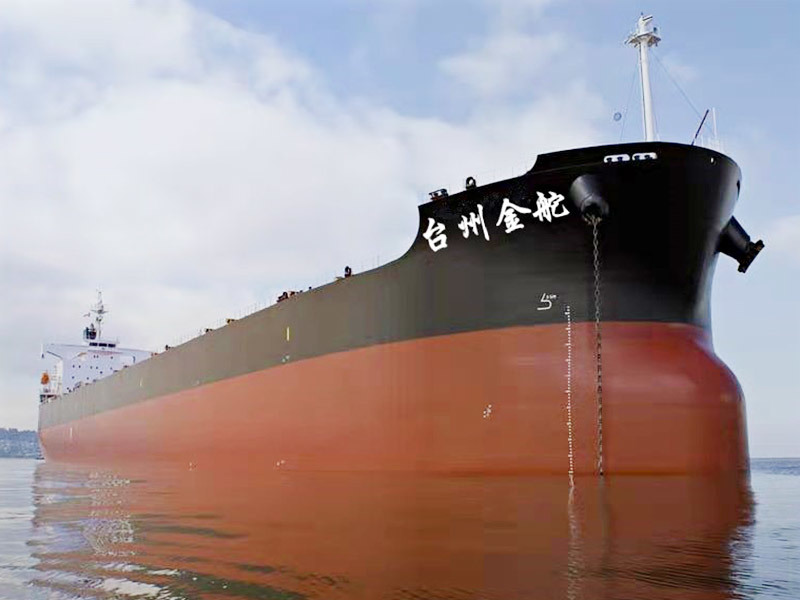
What Makes 93000 DWT Bulk Carriers Ideal for International Shipping?
What Makes 93000 DWT Bulk Carriers Ideal for International Shipping? Introduction to 93000 DWT Bulk Carriers Bulk carriers are specialized ships designed for the transport of bulk cargo, such as grains, minerals, and other raw materials. The **93000 DWT (Deadweight Tonnage)** bulk carrier represents a significant advancement in the shipping industry, combining efficiency with capacity, making it
Source:

Exploring the Specifications and Benefits of a 50000 DWT Inshore Container Ship (2754 TEU)
The 50000 DWT (Deadweight Tonnage) inshore container ship, with a capacity of 2754 TEU (Twenty-foot Equivalent Units), represents a significant segment of the modern shipping industry. These vessels are specifically designed for efficient coastal and regional operations, providing vital connectivity and logistics support. One of the key features of a 50000 DWT inshore container ship is its versati
Source:
The Crucial Role of 50500 DWT Inshore Container Ships in Enhancing Global Supply Chains
The Crucial Role of 50500 DWT Inshore Container Ships in Enhancing Global Supply Chains Table of Contents 1. Introduction to 50500 DWT Inshore Container Ships 2. Understanding DWT: What Does 50500 DWT Mean? 3. The Significance of 50500 DWT Inshore Container Ships in Global Trade 4. Operational Efficiency of Inshore Container Ships 5. The Economic Impact on Supply Chains 6. Environment
Source:

Exploring the Advantages of 77,900 DWT International Flights Bulk Carriers in Maritime Transport
The 77,900 DWT (Deadweight Tonnage) international flights bulk carrier represents a significant vessel class in modern maritime transport, primarily designed for the efficient transport of bulk commodities across international waters. These vessels are engineered for optimal performance, combining size, capacity, and fuel efficiency, making them a preferred choice for shipping companies involved i
Source:

Optimizing Logistics Strategies with 80000 DWT Bulk Carriers for Enhanced Efficiency
Optimizing Logistics Strategies with 80000 DWT Bulk Carriers for Enhanced Efficiency Introduction to 80000 DWT Bulk Carriers in Logistics The maritime industry has long been pivotal in global trade, and the significance of effective logistics strategies cannot be overstated. Among the various vessels utilized, the **80000 DWT (Deadweight Tonnage) bulk carriers** stand out for their substantial c
Source:

The 81000 DWT (Deadweight Tonnage) international routes bulk carrier is a prominent vessel type in the maritime transportation sector. These ships are specifically designed to transport bulk cargoes, such as grains, coal, and minerals, across international waters. Their size, efficiency, and versatility make them a crucial component of the global shipping industry. One of the most notable features
Source:
The Comprehensive Economics of Operating an 82000 DWT Bulk Carrier in Global Trade
The Comprehensive Economics of Operating an 82000 DWT Bulk Carrier in Global Trade In the rapidly evolving landscape of global trade, the operation of large vessels, such as an 82000 Deadweight Tonnage (DWT) bulk carrier, plays a crucial role in the efficient transportation of goods across vast oceans. This article provides an in-depth exploration of the economics surrounding the operation of thes
Source:
Understanding the 82000 DWT International Routes Bulk Carrier: A Guide for the Shipping Industry
The 82000 DWT (Deadweight Tonnage) international routes bulk carrier represents a vital segment of the maritime shipping industry, particularly in bulk cargo transport. These vessels are designed to carry large volumes of cargo, such as grain, coal, iron ore, and other raw materials, making them essential for global trade. Understanding the operational dynamics and market significance of these car
Source:

A Deep Dive into the Specifications of Unlimited Area Bulk Carriers
A Deep Dive into the Specifications of Unlimited Area Bulk Carriers Table of Contents 1. Introduction to Unlimited Area Bulk Carriers 2. Design Specifications of Unlimited Area Bulk Carriers 2.1 Hull Structure and Materials 2.2 Cargo Hold Design and Features 3. Operational Capabilities of Unlimited Area Bulk Carriers 3.1 L
Source:

Understanding the Operational Advantages of 83,500 DWT Inshore Bulk Carriers
The 83,500 DWT inshore bulk carrier is a type of vessel specifically designed for the transportation of bulk goods, such as coal, grains, and minerals, along coastal and nearshore routes. With a deadweight tonnage (DWT) of 83,500, these carriers strike a balance between size and maneuverability, making them suitable for a variety of operational scenarios. One of the primary advantages of the 83,50
Source:

Navigating Challenges in Inshore Transport with 85000 DWT Bulk Carriers
Navigating Challenges in Inshore Transport with 85000 DWT Bulk Carriers Table of Contents 1. Introduction: The Role of 85000 DWT Bulk Carriers in Inshore Transport 2. Understanding Bulk Carriers: Features and Specifications 3. Challenges in Inshore Transport: An Overview - 3.1 Environmental Factors Affecting Inshore Transport - 3.2 Regulatory Challenges in Maritime Operations
Source:

Understanding the Role of 87,000 DWT International Routes Bulk Carriers in Global Trade
In the dynamic world of maritime transportation, bulk carriers play a crucial role in the global supply chain, particularly those designed to carry significant deadweight tonnage (DWT) like the 87,000 DWT vessels. These carriers are specialized ships designed to transport unpackaged bulk cargo, such as coal, grain, and ore, making them vital for international trade. One of the key advantages of 87
Source:
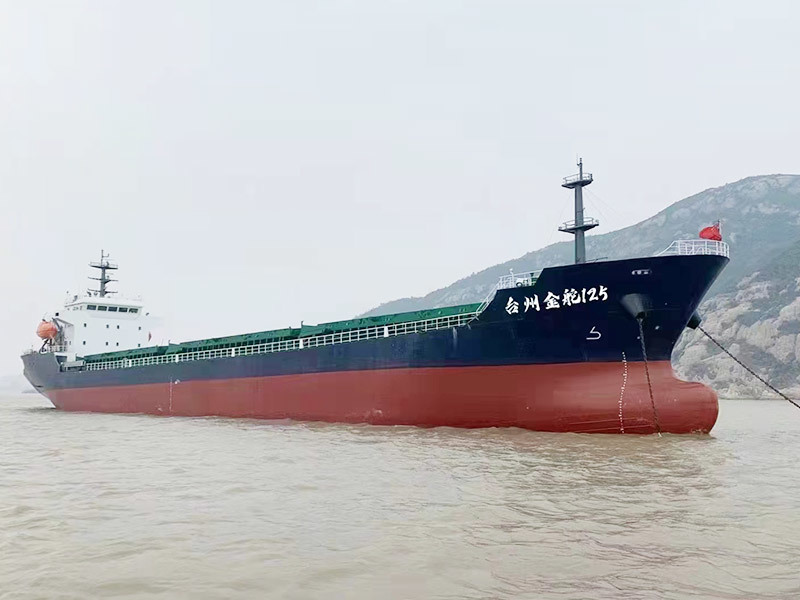
The Role of Technology in Enhancing 93000 DWT Bulk Carrier Efficiency
The Role of Technology in Enhancing 93000 DWT Bulk Carrier Efficiency Table of Contents Introduction to 93000 DWT Bulk Carriers The Importance of Efficiency in Bulk Carriers Key Technological Advancements in Bulk Carriers Automation Technologies Data Analytics and Monitoring Systems Innovations in Fuel Efficiency Navigational Te
Source:
Exploring the Features and Benefits of 50000 DWT Inshore Container Ships (2754 TEU)
In the world of maritime transport, the 50000 DWT inshore container ship, designed to carry approximately 2754 TEU, stands out as a pivotal vessel type for regional shipping operations. These ships are constructed to navigate shallower coastal waters, allowing them to access ports that larger vessels cannot, thereby enhancing port connectivity and operational flexibility for shipping lines. One of
Source:
Navigating Challenges in Shipping with 2754TEU Container Vessels: Strategies for Success
Navigating Challenges in Shipping with 2754TEU Container Vessels Table of Contents 1. Understanding the 2754TEU Container Vessel 2. Key Challenges in Shipping Today 2.1 Operational Efficiency 2.2 Environmental Regulations 2.3 Port Congestion 3. Innovative Solutions to Overcome Challenges 3.1 Embracing Technology 3.2 Training and Workforce Development 4. The Importance of Collaboration in Shipping
Source:
Exploring the Advantages of the 77900 DWT International Flights Bulk Carrier
The 77900 DWT International flights bulk carrier represents a significant advancement in bulk shipping technology, tailored for transporting large volumes of cargo across international waters. With a deadweight tonnage of 77,900, these vessels are designed to carry a variety of bulk commodities, including grains, minerals, and raw materials, making them versatile for shipping companies and their c
Source:
Essential Safety Measures for Operating 80000 DWT Bulk Carriers in International Waters
Essential Safety Measures for Operating 80000 DWT Bulk Carriers in International Waters Operating an 80000 DWT bulk carrier in international waters presents unique challenges and responsibilities. The size and capacity of these vessels necessitate stringent safety measures to protect crew, cargo, and the marine environment. This article explores the essential safety protocols that must be implemen
Source:

Understanding the Role of 81,000 DWT International Route Bulk Carriers in Maritime Transport
The 81,000 DWT (Deadweight Tonnage) bulk carrier stands out in the maritime industry, especially in the context of international shipping routes. Designed to transport a variety of bulk cargoes, such as coal, grain, and iron ore, these vessels play a crucial role in connecting producers and consumers across continents. One of the primary advantages of operating an 81,000 DWT bulk carrier is its o
Source:
Comparing 82,000 DWT Bulk Carriers with Other Shipping Vessels: What You Need to Know In the maritime industry, understanding vessel types and their specific attributes is essential for effective logistics and operational efficiency. This article delves into **82,000 DWT bulk carriers** and compares them with other shipping vessel types, such as container ships, tankers, and general cargo ships. W
Source:

TAIZHOU JINDUO SHIP BUILDING CO.,LTD
Add:
Juding International Building, Yijia Road, Jiaojiang District,Taizhou City, Zhejiang Province
Tel:
E-mail:
Whatsapp:
Wechat:
+86 15726978366


SAF Coolest v1.3.1.2 设置面板 OWSSD-ZYOB-ASSXE-ZWZ
无数据提示
Sorry, the current column is being updated, so stay tuned!
You can check out the other columns or go back HOME
V1.3.1 SVG图标库请自行添加图标,用div包起来,并命名使用
Privacy
The Software respects and protects the personal privacy of all users of the Services. In order to provide you with a more accurate and personalized service, the Software will use and disclose your personal information in accordance with this Privacy Policy. However, the Software will treat such information with a high degree of diligence and duty of care. Except as otherwise provided in this Privacy Policy, the Software will not disclose or provide this information to third parties without your prior permission. The Software may update this Privacy Policy from time to time. You will be deemed to have agreed to this Privacy Policy in its entirety when you agree to the Software Service Use Agreement. This Privacy Policy is an integral part of this Software Service Use Agreement. 1. Scope of ApplicationIn your use of the Software's network services, the Software automatically receives and records information on your cell phone, including, but not limited to, your health data, the language used, the date and time of access, information on hardware and software characteristics, and data on webpage records of your needs; 2. Use of InformationAfter obtaining your data, the Software uploads it to the server to generate your leaderboard data so that you can better use the Services. The Software will upload your data to the server to generate your ranking data so that you can use the service in a better way. 3. Information Disclosure 3.1 The Software will not disclose your information to untrusted third parties. 3.2 In accordance with the relevant provisions of the law, or the requirements of administrative or judicial bodies, disclosure to third parties or administrative or judicial bodies; 3.3 If you appear to violate the relevant Chinese laws, regulations or relevant rules, it is necessary to disclose it to a third party; 4. Information Storage and Exchange The information and materials collected by the Software about you will be stored on the servers of the Software and/or its affiliates. The information and data may be transferred to and accessed, stored and displayed outside of your country or region or the country in which the Software collects the information and data. 5. Information Security When using the Software's network services to conduct online transactions, you will inevitably disclose your personal information, such as contact information or postal address, to the counterparty or potential counterparty. Please protect your personal information and provide it to others only when necessary. If you find that your personal information has been compromised, please contact the software's customer service immediately so that the software can take appropriate measures.