





news
Safety First: Navigating Regulations for 82000 DWT Bulk Carriers
Safety First: Navigating Regulations for 82000 DWT Bulk Carriers
Table of Contents
- Understanding 82000 DWT Bulk Carriers
- The Importance of Safety Regulations in Maritime Operations
- Key Regulatory Bodies and Their Roles
- International Safety Management (ISM) Code
- SOLAS and MARPOL Compliance
- Port State Control Inspections
- Implementing a Safety Management System (SMS)
- Future Trends in Bulk Carrier Safety Regulations
- Frequently Asked Questions
Understanding 82000 DWT Bulk Carriers
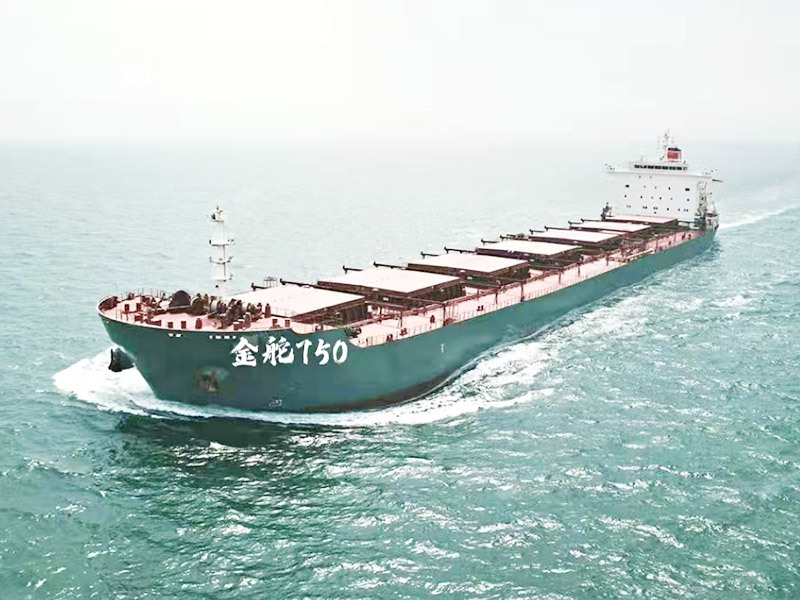
The term "DWT" stands for Deadweight Tonnage, which indicates the total weight a ship can safely carry, including cargo, fuel, passengers, and provisions. An 82000 DWT bulk carrier is designed specifically for transporting large quantities of bulk materials, such as grains, minerals, and coal. These vessels play a crucial role in international trade, making their safety and regulatory compliance paramount.
The Importance of Safety Regulations in Maritime Operations
Safety regulations are designed to protect the crew, ship, cargo, and marine environment. The maritime industry faces unique risks, including harsh weather conditions, potential for collisions, and environmental hazards. Ensuring that 82000 DWT bulk carriers comply with safety regulations not only mitigates these risks but also enhances operational efficiency and protects the reputation of shipping companies.
Enhancing Maritime Safety Standards
Effective safety regulations help create a culture of safety within the maritime industry. By following established guidelines, shipping companies can minimize accidents, improve crew safety, and ensure compliance with international laws. This commitment to safety also fosters trust among stakeholders, including port authorities, insurance providers, and customers.
Key Regulatory Bodies and Their Roles
Several key regulatory bodies oversee maritime safety and environmental protection. Understanding their roles is essential for compliance with safety regulations for 82000 DWT bulk carriers.
International Maritime Organization (IMO)
The IMO establishes a global regulatory framework for shipping, focusing on safety, environmental protection, and efficiency. It develops conventions, such as SOLAS (Safety of Life at Sea) and MARPOL (Marine Pollution), which provide guidelines for ship safety and pollution prevention.
Flag State Administration
The flag state is the country under whose laws a ship is registered. Flag state administrations are responsible for enforcing national regulations that comply with international laws. They conduct inspections and issue certificates to ensure that vessels meet safety and operational standards.
Classification Societies
Classification societies are independent organizations that assess and certify the safety and seaworthiness of ships. They set technical standards for ship design and construction, ensuring that vessels are built to withstand the challenges of maritime operations.
International Safety Management (ISM) Code
The ISM Code is a crucial element of maritime safety, implemented by the IMO to promote safe management and operation of ships. It requires shipping companies to develop a Safety Management System (SMS) that addresses potential risks and safety concerns.
Key Components of an SMS
- **Policy Statement:** A clear commitment to safety and environmental protection.
- **Risk Assessment:** Regular evaluations to identify and mitigate potential hazards.
- **Training and Drills:** Comprehensive training programs for crew members to ensure they are prepared for emergency situations.
- **Documented Procedures:** Clear documentation of operational procedures to provide consistency and accountability.
SOLAS and MARPOL Compliance
Compliance with SOLAS and MARPOL conventions is essential for the safe operation of 82000 DWT bulk carriers. These international treaties set forth specific requirements for safety equipment, pollution prevention, and emergency preparedness.
SOLAS Requirements
SOLAS emphasizes the need for lifesaving appliances, fire protection, and ship stability. Bulk carriers must carry sufficient lifeboats, life jackets, and firefighting equipment, ensuring the safety of crew and cargo alike.
MARPOL Regulations
MARPOL addresses marine pollution, focusing on oil, chemicals, and waste management. Compliance with MARPOL requires bulk carriers to have systems in place to prevent and manage pollution, including proper waste disposal and ballast water treatment.
Port State Control Inspections
Port state control inspections are conducted by authorities in the ports where ships arrive. These inspections ensure that foreign vessels comply with international standards and flag state regulations.
Preparing for an Inspection
To prepare for port state control inspections, bulk carriers should maintain proper documentation, including safety certificates, crew training records, and logs of maintenance activities. Regular internal audits can help identify potential issues before an official inspection, reducing the risk of fines or detentions.
Implementing a Safety Management System (SMS)
Developing and implementing a robust Safety Management System (SMS) is crucial for ensuring compliance with safety regulations. An effective SMS not only enhances safety but also fosters a culture of continuous improvement.
Steps to Develop an SMS
- **Gap Analysis:** Evaluate existing safety practices and identify areas for improvement.
- **Policy Development:** Create a comprehensive safety policy that aligns with international regulations.
- **Training and Implementation:** Train crew members on the SMS and implement the necessary procedures.
- **Monitoring and Review:** Regularly monitor the effectiveness of the SMS and make adjustments as needed.
Future Trends in Bulk Carrier Safety Regulations
The maritime industry is constantly evolving, driven by technological advancements and changing regulations. Future trends indicate a shift towards greater automation and enhanced environmental protections.
Digitalization and Automation
The integration of digital technologies, such as real-time monitoring and data analytics, can significantly improve safety management. Automated systems can help identify potential hazards and facilitate swift decision-making to mitigate risks.
Environmental Sustainability
As global awareness of environmental issues grows, regulations will likely become more stringent. Shipping companies will need to adopt sustainable practices, including reducing emissions and minimizing waste, to comply with future regulations and meet stakeholder expectations.
Frequently Asked Questions
1. What is the purpose of safety regulations for bulk carriers?
Safety regulations are designed to protect the crew, cargo, and environment, ensuring that bulk carriers operate safely and efficiently.
2. How do I ensure compliance with SOLAS and MARPOL?
Compliance can be achieved through regular training, conducting safety drills, and maintaining appropriate safety equipment as outlined in SOLAS and MARPOL guidelines.
3. What are the benefits of implementing a Safety Management System (SMS)?
An SMS promotes safety awareness, helps identify and mitigate risks, and fosters a culture of continuous improvement within the organization.
4. How often are port state control inspections conducted?
Port state control inspections are conducted whenever a vessel arrives at a foreign port, focusing on compliance with international standards and flag state regulations.
5. What future trends should shipping companies be aware of?
Future trends include increased digitalization, automation, and the adoption of sustainable practices to comply with evolving safety and environmental regulations.
Conclusion
Navigating the complex landscape of safety regulations for 82000 DWT bulk carriers is essential for ensuring safe and efficient maritime operations. By understanding the key regulatory bodies, implementing comprehensive safety management systems, and preparing for inspections, shipping companies can enhance safety, minimize risks, and comply with international laws. Staying informed about future trends and adapting to changing regulations will further solidify their commitment to safety and environmental stewardship in the maritime industry.
Other news

Safety First: Navigating Regulations for 82000 DWT Bulk Carriers
Safety First: Navigating Regulations for 82000 DWT Bulk Carriers Table of Contents Understanding 82000 DWT Bulk Carriers The Importance of Safety Regulations in Maritime Operations Key Regulatory Bodies and Their Roles International Safety Management (ISM) Code SOLAS and MARPOL Compliance Port State Control Inspections Implementing a Safety Management System (SMS) Future Trends in

Understanding the 83,500 DWT Inshore Bulk Carrier: Key Insights for the Shipping Industry
The 83,500 DWT (Deadweight Tonnage) inshore bulk carrier represents a noteworthy category of vessels within the transportation sector, specifically designed for short-distance bulk cargo transportation. These vessels are engineered to carry a variety of bulk materials, including agricultural products, construction materials, and other goods, making them integral to regional shipping networks. Here
How 85000 DWT Inshore Area Bulk Carriers Enhance Maritime Efficiency
How 85000 DWT Inshore Area Bulk Carriers Enhance Maritime Efficiency Table of Contents 1. Introduction to 85,000 DWT Inshore Area Bulk Carriers 2. Key Design Features of 85,000 DWT Bulk Carriers 3. Operational Efficiency in Maritime Transport 4. Environmental Impact and Sustainability 5. Economic Benefits of Bulk Carriers 6. Technological Advancements Driving Efficiency

TAIZHOU JINDUO SHIP BUILDING CO.,LTD
Add:
Juding International Building, Yijia Road, Jiaojiang District,Taizhou City, Zhejiang Province
Tel:
E-mail:
Whatsapp:
Wechat:
+86 15726978366


SAF Coolest v1.3.1.2 设置面板 OWSSD-ZYOB-ASSXE-ZWZ
无数据提示
Sorry, the current column is being updated, so stay tuned!
You can check out the other columns or go back HOME
V1.3.1 SVG图标库请自行添加图标,用div包起来,并命名使用
Privacy
The Software respects and protects the personal privacy of all users of the Services. In order to provide you with a more accurate and personalized service, the Software will use and disclose your personal information in accordance with this Privacy Policy. However, the Software will treat such information with a high degree of diligence and duty of care. Except as otherwise provided in this Privacy Policy, the Software will not disclose or provide this information to third parties without your prior permission. The Software may update this Privacy Policy from time to time. You will be deemed to have agreed to this Privacy Policy in its entirety when you agree to the Software Service Use Agreement. This Privacy Policy is an integral part of this Software Service Use Agreement. 1. Scope of ApplicationIn your use of the Software's network services, the Software automatically receives and records information on your cell phone, including, but not limited to, your health data, the language used, the date and time of access, information on hardware and software characteristics, and data on webpage records of your needs; 2. Use of InformationAfter obtaining your data, the Software uploads it to the server to generate your leaderboard data so that you can better use the Services. The Software will upload your data to the server to generate your ranking data so that you can use the service in a better way. 3. Information Disclosure 3.1 The Software will not disclose your information to untrusted third parties. 3.2 In accordance with the relevant provisions of the law, or the requirements of administrative or judicial bodies, disclosure to third parties or administrative or judicial bodies; 3.3 If you appear to violate the relevant Chinese laws, regulations or relevant rules, it is necessary to disclose it to a third party; 4. Information Storage and Exchange The information and materials collected by the Software about you will be stored on the servers of the Software and/or its affiliates. The information and data may be transferred to and accessed, stored and displayed outside of your country or region or the country in which the Software collects the information and data. 5. Information Security When using the Software's network services to conduct online transactions, you will inevitably disclose your personal information, such as contact information or postal address, to the counterparty or potential counterparty. Please protect your personal information and provide it to others only when necessary. If you find that your personal information has been compromised, please contact the software's customer service immediately so that the software can take appropriate measures.