





news
The Role of LPG Tanker Ships in Reducing Carbon Footprint: A Comprehensive Analysis
The Role of LPG Tanker Ships in Reducing Carbon Footprint
Introduction to LPG Tanker Ships
LPG (Liquefied Petroleum Gas) tanker ships are specialized vessels designed to transport liquefied gas, primarily propane and butane, across the world's seas and oceans. The rising focus on environmental sustainability has elevated the importance of these ships in the global shipping industry. With the urgent need to mitigate climate change, the transition toward cleaner energy sources is crucial, and LPG plays a significant role in this effort. This article delves into how LPG tanker ships contribute to reducing the carbon footprint, exploring their advantages, technologies, and the future of sustainable shipping.
Understanding the Carbon Footprint of Maritime Shipping
The maritime shipping industry is responsible for a substantial portion of global greenhouse gas emissions. According to the International Maritime Organization (IMO), shipping accounts for approximately 2.5% of global carbon dioxide (CO2) emissions. **Significant investments** and innovations are necessary to reduce this footprint, and LPG tanker ships are emerging as a pivotal solution.
What is the Carbon Footprint?
The carbon footprint is the total greenhouse gas emissions caused directly and indirectly by an individual, organization, event, or product, usually expressed in equivalent tons of CO2. For the shipping industry, this includes emissions from fuel combustion, operational inefficiencies, and the entire supply chain process.
Why is Reducing the Carbon Footprint Important?
Reducing the carbon footprint is vital for combating climate change, minimizing air pollution, and promoting public health. The shipping sector must adapt and innovate to align with international targets, such as those set by the Paris Agreement, which aims to limit global warming to well below 2 degrees Celsius.
The Advantages of LPG as a Marine Fuel
LPG is increasingly recognized as a cleaner alternative to traditional marine fuels like heavy fuel oil and marine diesel oil. It presents several environmental benefits that can significantly reduce the carbon footprint of shipping operations.
Lower Emissions Profile
LPG produces **fewer emissions** than other conventional fuels, including lower levels of CO2, sulfur oxides (SOx), and particulate matter. When burned, it emits about 20% less CO2 than heavy fuel oil, making it an attractive option for shipowners and operators aiming to enhance environmental performance.
Compliance with Emission Regulations
The introduction of strict emission regulations, like the IMO 2020 Sulfur Cap, has compelled ship operators to adopt cleaner fuels. LPG meets these regulations, positioning itself as a compliant and environmentally-friendly fuel choice for the maritime industry.
Energy Efficiency
LPG has a higher calorific value than many traditional fuels, which means it can produce more energy per unit. This leads to improved fuel efficiency and reduced fuel consumption, further contributing to a lower carbon footprint.
Technical Innovations in LPG Tanker Ships
Technological advancements in the design and operation of LPG tanker ships are essential for maximizing their environmental benefits. These innovations focus on enhancing efficiency, safety, and sustainability.
Advanced Propulsion Systems
Many modern LPG tanker ships are equipped with **dual-fuel engines** that allow them to operate on both LPG and conventional marine fuels. This flexibility enables operators to optimize fuel use based on availability and cost, as well as emissions standards.
Ship Design and Efficiency Enhancements
Innovative ship designs, such as improved hull shapes and lightweight materials, contribute to reducing drag and enhancing fuel efficiency. Moreover, the implementation of energy-saving technologies, like waste heat recovery systems, allows LPG tankers to utilize excess heat generated during operation, converting it into useful energy.
Digital Technology and Analytics
The integration of digital technologies, including Internet of Things (IoT) devices, allows for real-time monitoring of fuel consumption and emissions. Data analytics can identify inefficiencies in operations, leading to actionable insights that enhance performance and sustainability.
The Role of LPG Tanker Ships in Global Trade
LPG tanker ships are essential components of the energy supply chain, facilitating the movement of clean energy resources around the globe.
Supply Chain Efficiency
The use of LPG contributes to a more efficient energy supply chain. The ability to transport LPG over long distances enables countries with limited natural gas resources to tap into cleaner energy solutions, thereby reducing their reliance on dirtier fuels.
Global Markets and Economic Impact
The increasing demand for LPG in various industries, including residential heating, cooking, and transportation, highlights the economic significance of LPG tanker ships. Their role in ensuring a steady supply of LPG helps stabilize energy markets and foster economic growth in producer and consumer nations.
Challenges Facing LPG Tanker Ships
Despite the benefits, several challenges persist in the LPG shipping sector that must be addressed to maximize the potential of LPG as a cleaner fuel source.
Infrastructure Limitations
The existing infrastructure for LPG distribution and storage can impede the growth of the LPG shipping sector. Investments in new terminals and facilities are necessary to support the increasing demand for LPG worldwide.
Safety Concerns
Handling and transporting LPG comes with inherent risks, including potential leaks and explosions. Ensuring safety compliance and investing in advanced monitoring systems are critical to preventing accidents and protecting crews, ships, and the environment.
Market Competition
As the demand for cleaner fuels rises, LPG faces competition from alternative energy sources, such as LNG (Liquefied Natural Gas) and hydrogen. The LPG sector must continually innovate and demonstrate its environmental benefits to maintain its position in the marketplace.
The Future of LPG Tanker Ships
Looking ahead, the role of LPG tanker ships in reducing the carbon footprint will be shaped by ongoing advancements and changing market dynamics.
Continued Innovation and Research
Investment in research and development will be crucial for enhancing the efficiency of LPG tanker ships. Ongoing innovations will improve the environmental performance of these vessels, ensuring their competitiveness in the evolving maritime landscape.
Policy and Regulatory Support
Government policies play a vital role in promoting the adoption of cleaner fuels like LPG. Regulatory support, such as incentives for using low-emission fuels and investments in infrastructure, can significantly impact the growth of the LPG shipping sector.
Public Awareness and Education
Raising awareness about the benefits of LPG as a cleaner energy source will be essential in driving demand. Education initiatives targeting both consumers and industry stakeholders can foster a broader understanding of LPG’s environmental advantages, leading to increased adoption.
Conclusion
LPG tanker ships are emerging as a critical component in the maritime industry's efforts to reduce its carbon footprint. With their lower emissions profile, innovative technologies, and role in facilitating global trade, these vessels offer a sustainable alternative to traditional marine fuels. As the shipping sector continues to evolve, the importance of LPG will likely grow, making it essential for stakeholders to invest in advancements and promote its adoption. By embracing this cleaner energy source, we can contribute to a healthier planet and a more sustainable future.
Frequently Asked Questions (FAQs)
1. What are LPG tanker ships used for?
LPG tanker ships are designed for transporting liquefied petroleum gas, primarily propane and butane, across oceans and seas. They play a vital role in the global energy supply chain.
2. How does using LPG reduce emissions compared to traditional fuels?
LPG produces significantly lower levels of CO2, sulfur oxides (SOx), and particulate matter compared to traditional marine fuels like heavy fuel oil, leading to a reduced carbon footprint.
3. What are the benefits of dual-fuel engines in LPG tanker ships?
Dual-fuel engines allow LPG tankers to operate on both LPG and conventional marine fuels, providing flexibility and optimizing fuel usage based on availability and emissions regulations.
4. What challenges do LPG tanker ships face in the industry?
Challenges include infrastructure limitations for distribution and storage, safety concerns related to handling LPG, and competition from alternative energy sources like LNG and hydrogen.
5. What is the future outlook for LPG in the maritime shipping industry?
The future of LPG in the maritime industry looks promising, with continued innovation, regulatory support, and increased public awareness driving demand for cleaner energy solutions.
Other news
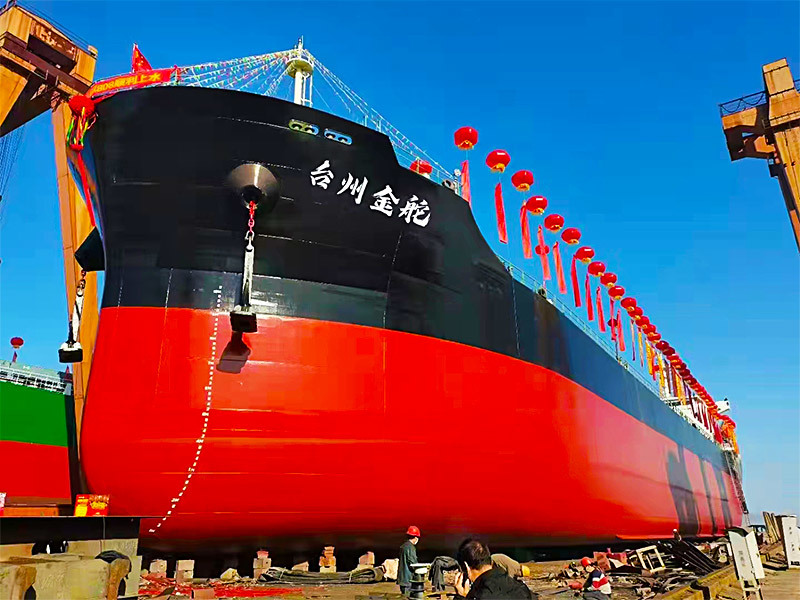
Exploring the Advantages of a 93000 DWT Bulk Carrier for Unlimited Sailing Areas
Exploring the Advantages of a 93000 DWT Bulk Carrier for Unlimited Sailing Areas Table of Contents Introduction to 93000 DWT Bulk Carriers Design Innovations in Bulk Carriers Economic Advantages of 93000 DWT Bulk Carriers Environmental Impact and Sustainability Operational Flexibility and Efficiency Navigational Capabilities in Unlimited Sailing Areas Future Trends in
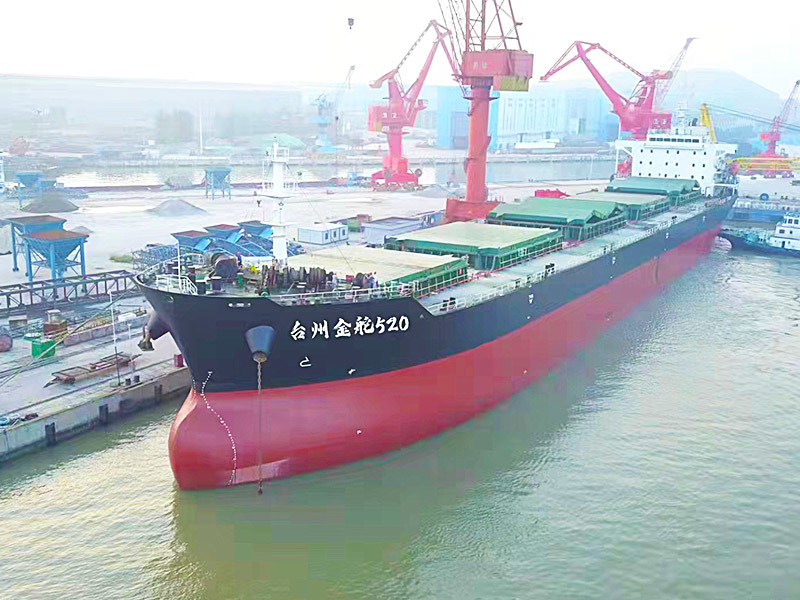
The Role of Technology in Modern Ship Refitting Services: Transforming the Maritime Industry
The Role of Technology in Modern Ship Refitting Services In the fast-evolving maritime industry, **technology plays a pivotal role** in enhancing ship refitting services. As shipping demands continue to grow and vessels age, the need for efficient, cost-effective, and environmentally friendly refitting solutions is more crucial than ever. By integrating advanced technologies into refitting process
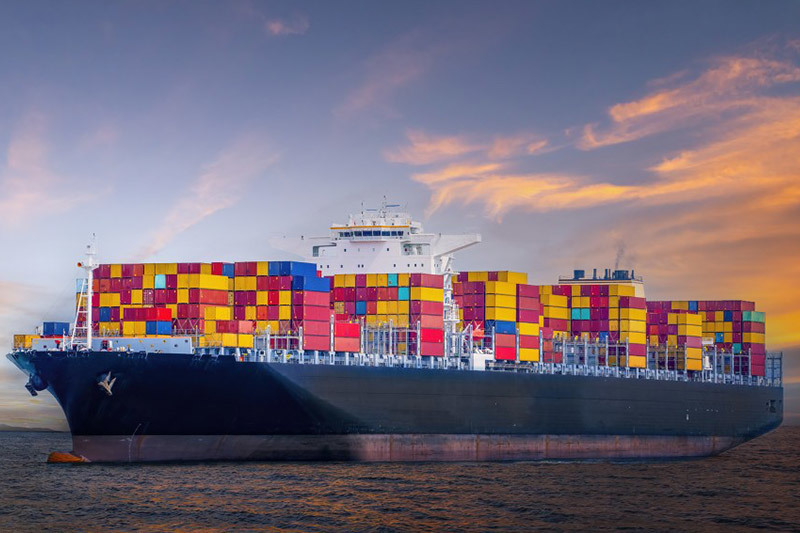
Understanding the Benefits and Considerations of Second Hand Cargo Ships
When it comes to the maritime industry, the demand for cargo ships is ever-present, but the decision to purchase a second hand cargo ship can be a complex one. Understanding the benefits and considerations of acquiring such vessels is crucial for professionals involved in transportation, shipping, and maritime operations. One of the primary advantages of opting for a second hand cargo ship is cost

TAIZHOU JINDUO SHIP BUILDING CO.,LTD
Add:
Juding International Building, Yijia Road, Jiaojiang District,Taizhou City, Zhejiang Province
Tel:
E-mail:
Whatsapp:
Wechat:
+86 15726978366


SAF Coolest v1.3.1.2 设置面板 OWSSD-ZYOB-ASSXE-ZWZ
无数据提示
Sorry, the current column is being updated, so stay tuned!
You can check out the other columns or go back HOME
V1.3.1 SVG图标库请自行添加图标,用div包起来,并命名使用
Privacy
The Software respects and protects the personal privacy of all users of the Services. In order to provide you with a more accurate and personalized service, the Software will use and disclose your personal information in accordance with this Privacy Policy. However, the Software will treat such information with a high degree of diligence and duty of care. Except as otherwise provided in this Privacy Policy, the Software will not disclose or provide this information to third parties without your prior permission. The Software may update this Privacy Policy from time to time. You will be deemed to have agreed to this Privacy Policy in its entirety when you agree to the Software Service Use Agreement. This Privacy Policy is an integral part of this Software Service Use Agreement. 1. Scope of ApplicationIn your use of the Software's network services, the Software automatically receives and records information on your cell phone, including, but not limited to, your health data, the language used, the date and time of access, information on hardware and software characteristics, and data on webpage records of your needs; 2. Use of InformationAfter obtaining your data, the Software uploads it to the server to generate your leaderboard data so that you can better use the Services. The Software will upload your data to the server to generate your ranking data so that you can use the service in a better way. 3. Information Disclosure 3.1 The Software will not disclose your information to untrusted third parties. 3.2 In accordance with the relevant provisions of the law, or the requirements of administrative or judicial bodies, disclosure to third parties or administrative or judicial bodies; 3.3 If you appear to violate the relevant Chinese laws, regulations or relevant rules, it is necessary to disclose it to a third party; 4. Information Storage and Exchange The information and materials collected by the Software about you will be stored on the servers of the Software and/or its affiliates. The information and data may be transferred to and accessed, stored and displayed outside of your country or region or the country in which the Software collects the information and data. 5. Information Security When using the Software's network services to conduct online transactions, you will inevitably disclose your personal information, such as contact information or postal address, to the counterparty or potential counterparty. Please protect your personal information and provide it to others only when necessary. If you find that your personal information has been compromised, please contact the software's customer service immediately so that the software can take appropriate measures.