





news
Exploring the Benefits and Considerations of Second-Hand Cargo Ships
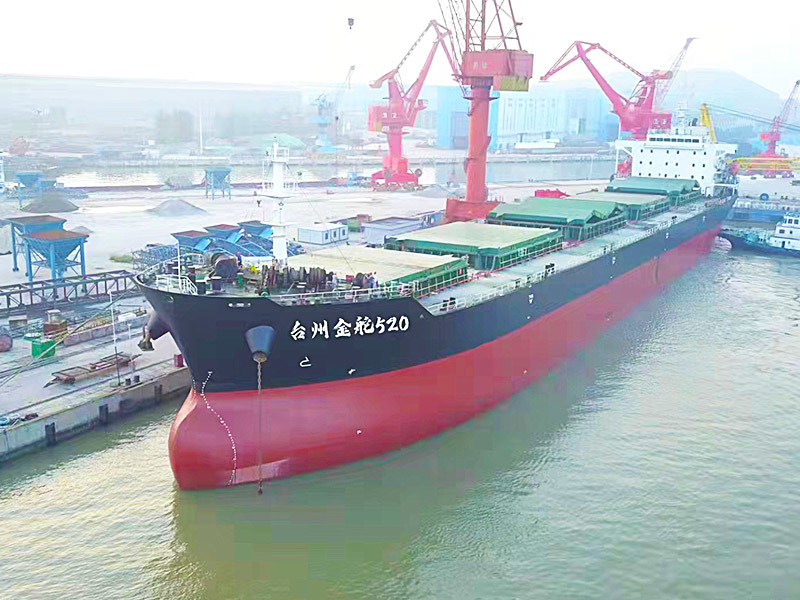
When it comes to the maritime industry, purchasing a second-hand cargo ship can be a strategic decision for many businesses. The choice between new and used vessels often hinges on various factors, including budget constraints, operational needs, and market conditions. Understanding the benefits and considerations associated with second-hand cargo ships can aid stakeholders in making informed purchasing decisions.

One of the most significant advantages of acquiring a second-hand cargo ship is cost-effectiveness. Compared to brand-new ships, used vessels generally come at a lower price point. This affordability allows companies, especially smaller or emerging businesses, to enter the maritime logistics market without prohibitive capital expenditure. Additionally, the depreciation rate of ships tends to stabilize after a few years, meaning that used vessels can retain their value more reliably.
Another key benefit is the availability of diverse options. The market for second-hand cargo ships offers a wide selection of vessel types and sizes, catering to varied shipping needs. From bulk carriers to container ships, businesses can find a ship that aligns closely with their operational requirements. This flexibility can significantly enhance logistics efficiency and operational capacity.
However, while there are clear advantages, potential buyers must also consider several factors before making a purchase. The condition of the vessel is paramount; a thorough inspection is essential to assess the ship's structural integrity and operational capabilities. Potential buyers should consult with maritime experts or surveyors to evaluate the ship's maintenance history and current status. This due diligence helps to mitigate risks associated with unexpected repairs or performance issues.
Another consideration is regulatory compliance. Second-hand cargo ships must meet specific international and local regulations, including safety standards and environmental considerations. Understanding these regulations is essential to ensure that the vessel can operate legally and efficiently, avoiding costly fines or operational delays.
Furthermore, the resale value of a second-hand cargo ship should not be overlooked. Market trends can influence how much a vessel retains its value over time. Researching market demands and future trends in shipping can provide insights into the potential future worth of the ship.
While the prospect of acquiring a second-hand cargo ship presents numerous benefits, conducting thorough research and consideration is crucial. By weighing these elements, businesses can make strategic choices that align with their operational goals and financial capabilities, ultimately leading to enhanced efficiency in maritime logistics.
Other news

Exploring the Advantages of a 93000 DWT Bulk Carrier for Unlimited Sailing Areas
Exploring the Advantages of a 93000 DWT Bulk Carrier for Unlimited Sailing Areas Table of Contents Introduction to 93000 DWT Bulk Carriers Design Innovations in Bulk Carriers Economic Advantages of 93000 DWT Bulk Carriers Environmental Impact and Sustainability Operational Flexibility and Efficiency Navigational Capabilities in Unlimited Sailing Areas Future Trends in
The Role of Technology in Modern Ship Refitting Services: Transforming the Maritime Industry
The Role of Technology in Modern Ship Refitting Services In the fast-evolving maritime industry, **technology plays a pivotal role** in enhancing ship refitting services. As shipping demands continue to grow and vessels age, the need for efficient, cost-effective, and environmentally friendly refitting solutions is more crucial than ever. By integrating advanced technologies into refitting process

Understanding the Benefits and Considerations of Second Hand Cargo Ships
When it comes to the maritime industry, the demand for cargo ships is ever-present, but the decision to purchase a second hand cargo ship can be a complex one. Understanding the benefits and considerations of acquiring such vessels is crucial for professionals involved in transportation, shipping, and maritime operations. One of the primary advantages of opting for a second hand cargo ship is cost

TAIZHOU JINDUO SHIP BUILDING CO.,LTD
Add:
Juding International Building, Yijia Road, Jiaojiang District,Taizhou City, Zhejiang Province
Tel:
E-mail:
Whatsapp:
Wechat:
+86 15726978366


SAF Coolest v1.3.1.2 设置面板 OWSSD-ZYOB-ASSXE-ZWZ
无数据提示
Sorry, the current column is being updated, so stay tuned!
You can check out the other columns or go back HOME
V1.3.1 SVG图标库请自行添加图标,用div包起来,并命名使用
Privacy
The Software respects and protects the personal privacy of all users of the Services. In order to provide you with a more accurate and personalized service, the Software will use and disclose your personal information in accordance with this Privacy Policy. However, the Software will treat such information with a high degree of diligence and duty of care. Except as otherwise provided in this Privacy Policy, the Software will not disclose or provide this information to third parties without your prior permission. The Software may update this Privacy Policy from time to time. You will be deemed to have agreed to this Privacy Policy in its entirety when you agree to the Software Service Use Agreement. This Privacy Policy is an integral part of this Software Service Use Agreement. 1. Scope of ApplicationIn your use of the Software's network services, the Software automatically receives and records information on your cell phone, including, but not limited to, your health data, the language used, the date and time of access, information on hardware and software characteristics, and data on webpage records of your needs; 2. Use of InformationAfter obtaining your data, the Software uploads it to the server to generate your leaderboard data so that you can better use the Services. The Software will upload your data to the server to generate your ranking data so that you can use the service in a better way. 3. Information Disclosure 3.1 The Software will not disclose your information to untrusted third parties. 3.2 In accordance with the relevant provisions of the law, or the requirements of administrative or judicial bodies, disclosure to third parties or administrative or judicial bodies; 3.3 If you appear to violate the relevant Chinese laws, regulations or relevant rules, it is necessary to disclose it to a third party; 4. Information Storage and Exchange The information and materials collected by the Software about you will be stored on the servers of the Software and/or its affiliates. The information and data may be transferred to and accessed, stored and displayed outside of your country or region or the country in which the Software collects the information and data. 5. Information Security When using the Software's network services to conduct online transactions, you will inevitably disclose your personal information, such as contact information or postal address, to the counterparty or potential counterparty. Please protect your personal information and provide it to others only when necessary. If you find that your personal information has been compromised, please contact the software's customer service immediately so that the software can take appropriate measures.